Park City Properties and Lifestyle News Blogs

Aug. 27, 2026

Fall Buying Season in Park City: Why September to November Is Underrated

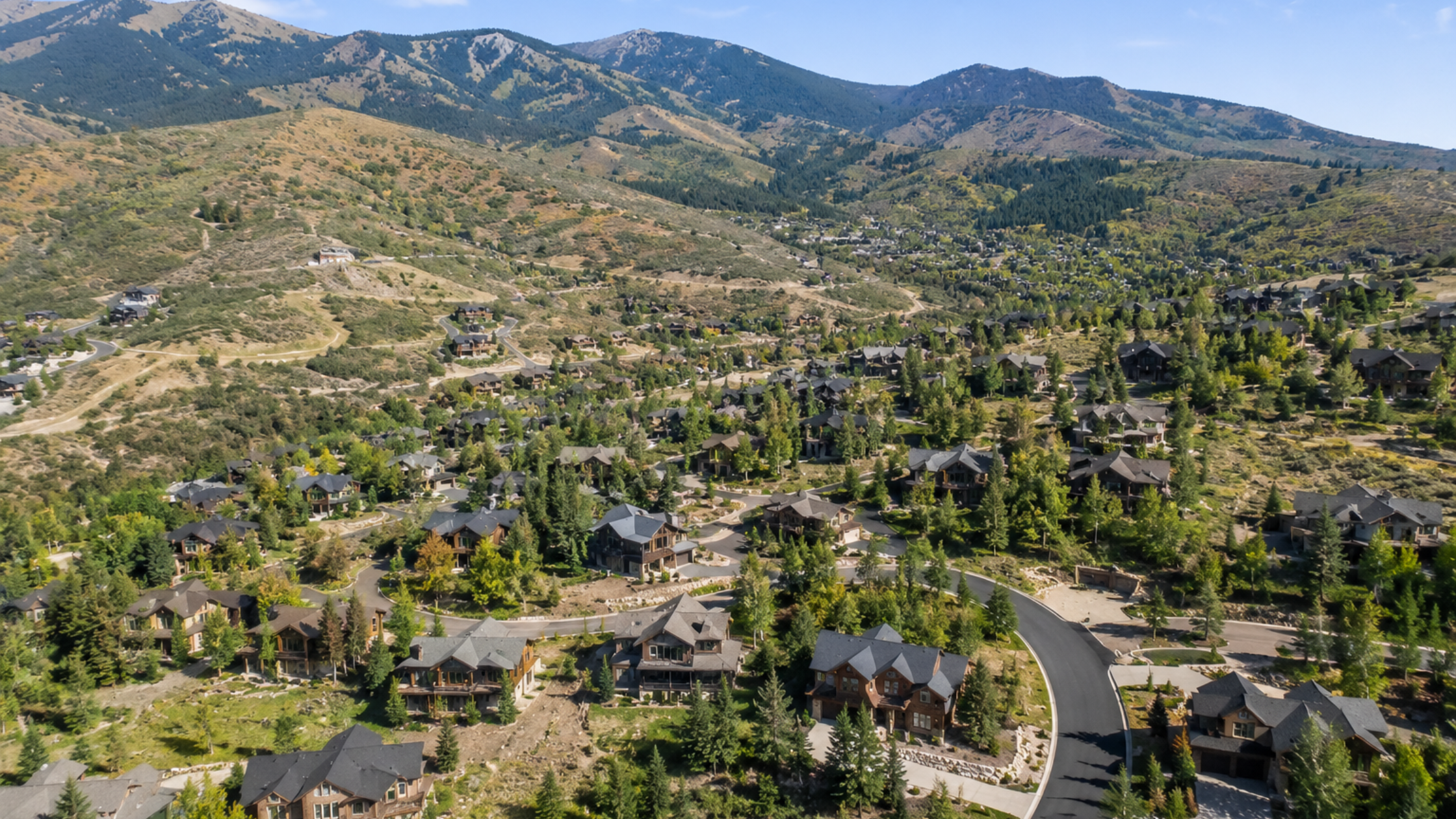
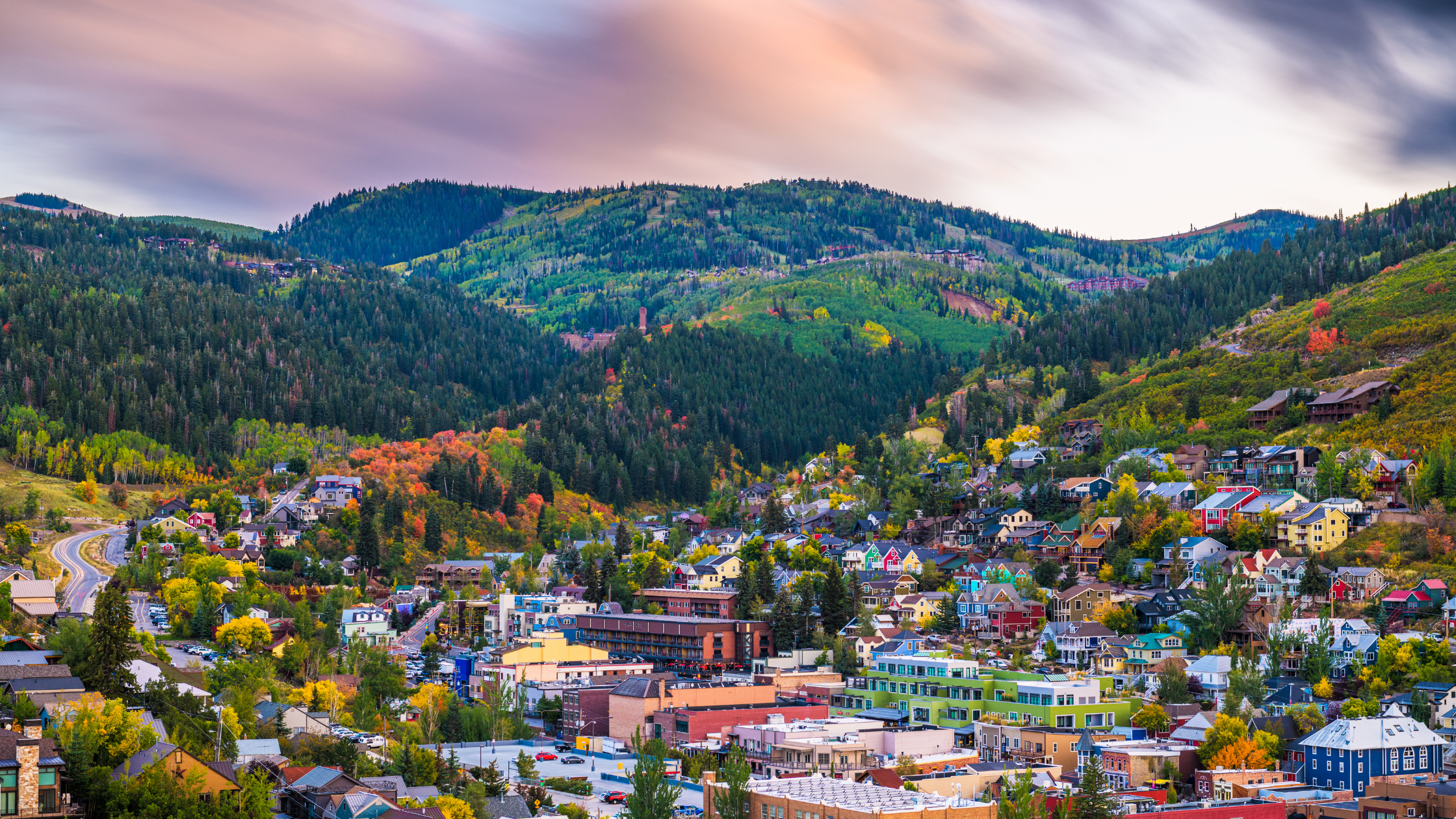
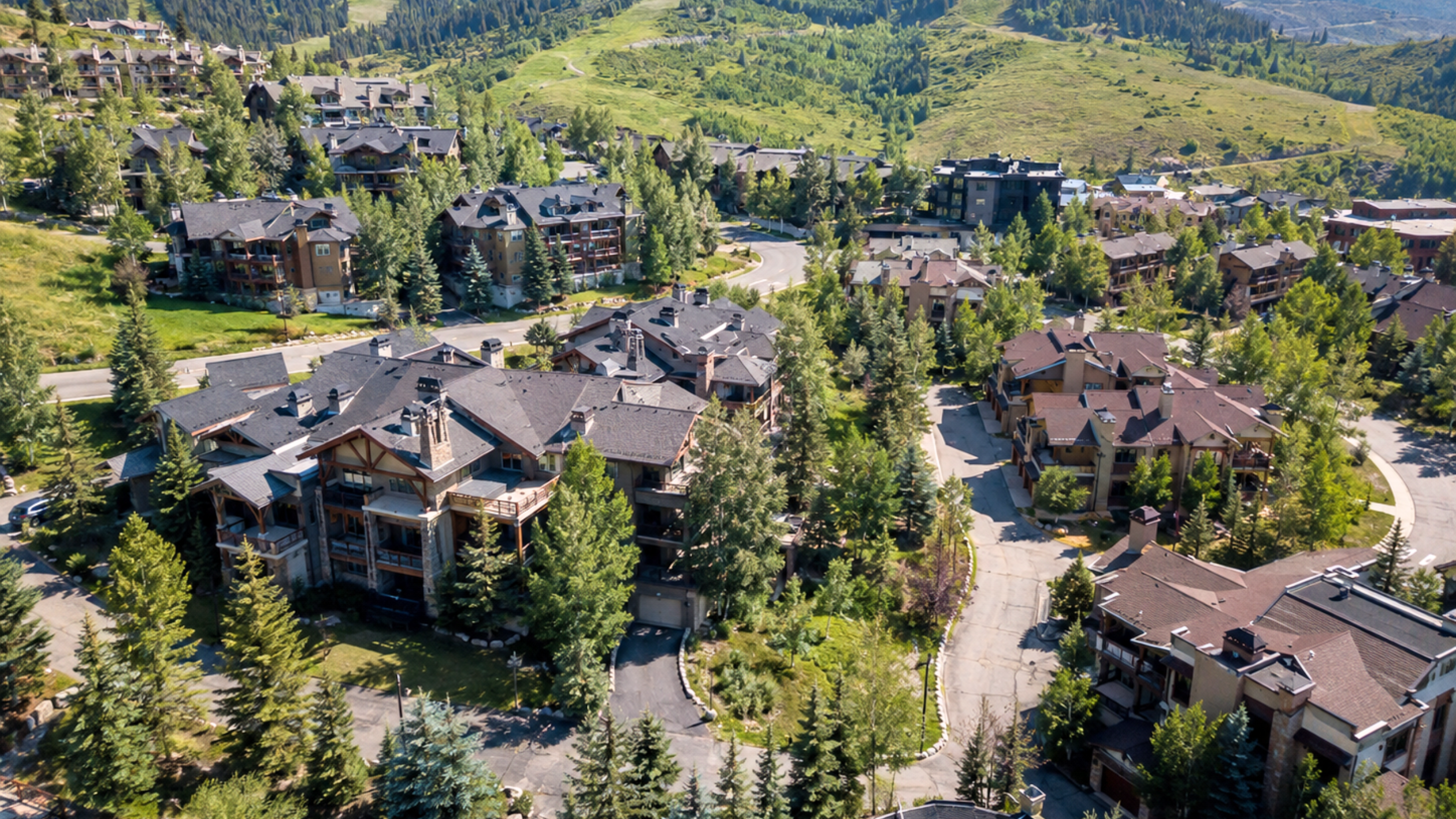
Park City residential neighborhood surrounded by golden fall aspens and mountain terrain in Utah

If you are considering buying Park City real estate and want to use the property during the coming ski season, waiting until snow is on the ground is not always the most strategic approach.

September through November can be one of the most useful periods for serious buyers. Properties are easier to evaluate before they are covered by snow, summer listings have accumulated enough market history to provide useful context, and buyers may still have time to close, furnish, insure, and prepare a property before winter.

That does not mean every seller becomes negotiable in October or that Park City homes suddenly become inexpensive after Labor Day. They do not.

The advantage of fall is less about finding a universal seasonal discount and more about having a different set of conditions in which to make a careful purchase.

That distinction is especially important in Park City, where the market can vary considerably between a ski-access condo in Empire Pass, an Old Town home, a Park Meadows residence, a Canyons Village property, and a home farther out in the Snyderville Basin.

Is Fall Really One of the Best Times to Buy Park City Real Estate?

For the right buyer, yes.

But the best time to buy Park City real estate depends on what you are purchasing and how you plan to use it.

Park City's market is highly segmented. A single-family home in Park Meadows does not necessarily follow the same dynamics as a resort condo near the slopes. Properties in Old Town, Deer Valley, Canyons Village, Jeremy Ranch, and the Jordanelle area also appeal to buyers with different priorities.

That is why buyers should not expect a certain percentage discount simply because it is October.

A well-positioned home in a sought-after location can attract attention in any month. A property that has been sitting since early summer, requires updating, carries substantial HOA obligations, or presents another complication may create a very different conversation.

Fall gives buyers an opportunity to evaluate those differences carefully.

For buyers who are still determining which part of the market suits them, the Ultimate Guide to Living in Park City, Utah can provide useful context before narrowing the search by neighborhood or property type.

Why Serious Buyers Should Pay Attention to September Through November

You Can Evaluate More of the Property Before Snow Covers It

One of fall's most practical advantages has nothing to do with price.

You can see more of the property.

That matters in a mountain market.

Before consistent snow cover arrives, buyers can more easily examine:

  • Grading and drainage
  • Driveways and retaining walls
  • Decks and exterior stairs
  • Rooflines
  • Landscaping
  • Surrounding trees
  • Exterior drainage
  • Neighboring properties
  • Steep approaches
  • Outdoor living areas

A house that appears straightforward during warmer weather may reveal important winter-management considerations once you begin thinking about where snow will accumulate, how a driveway will be cleared, and where melting snow will drain.

Fall is a particularly useful time to ask those questions because many of the relevant exterior features remain visible.

Listings Have Had Time to Develop a Market History

A listing that entered the market in June or July has a very different story by October.

By fall, buyers and their agents may be able to examine whether the seller has:

  • Reduced the asking price
  • Withdrawn and relisted the property
  • Completed repairs or improvements
  • Adjusted furnishings or inclusions
  • Changed the preferred closing timeline
  • Responded to market feedback

Days on market should never be interpreted in isolation, but listing history can help distinguish a property that simply needs a specialized buyer from one whose original pricing may not have aligned with the market.

That information becomes useful when structuring an offer.

Property Tours Can Be More Focused

Winter is an important time to experience Park City, particularly if ski access is central to your purchase.

It is also a busy time to evaluate real estate.

Fall provides another perspective. Buyers can spend time comparing streets, neighborhoods, driving routes, and properties without making every decision through the lens of a ski vacation.

September can be particularly useful because the mountains are still accessible for many warm-weather activities while buyers can also begin thinking seriously about winter use.

You Still Have Time to Prepare for Ski Season

For second-home buyers, closing is not the final step.

After closing, you may still need to coordinate:

  • Furniture
  • Internet and utilities
  • Homeowners insurance
  • Property management
  • Snow removal
  • Security systems
  • Ski storage
  • Routine maintenance
  • Vehicle arrangements

A September or early October purchase can leave considerably more time to work through those details than a transaction completed during the holiday period.

If your objective is to be settled before regular winter use begins, work backward from your preferred occupancy date rather than simply waiting for snow.

Negotiating Conditions Become More Property-Specific

One of the weakest pieces of seasonal real estate advice is that buyers automatically gain more leverage in fall.

Sometimes they do. Sometimes they do not.

A seller who has carried an unused property through the summer and does not want another winter of ownership may have a reason to negotiate. Another seller may be perfectly comfortable holding the property.

The better questions are:

  • How long has this specific property been available?
  • Has the price changed?
  • Is the property vacant?
  • Is the seller planning to use it during ski season?
  • Is it currently rented?
  • Are furnishings included?
  • Does the seller value a particular closing date?

Those questions produce a much stronger negotiating strategy than the calendar alone.

September vs. October vs. November: What Changes?

Each month provides a slightly different buying environment. Weather conditions vary from year to year, so these should be treated as general planning considerations rather than fixed rules.

Month What Buyers Gain Primary Due-Diligence Focus Best Fit
September Good property visibility, remaining summer activity, and more time before winter Exterior condition, landscaping, trails, resort orientation, and renovation feasibility Buyers hoping to close and prepare before ski season
October More listing history and a quieter transition period Pricing history, winter access, HOA review, and snow management Buyers prioritizing careful comparison and negotiation
November A closer look at early-winter conditions when weather cooperates Heating, winter access, snow removal, and occupancy timing Buyers comfortable with a tighter pre-ski-season timeline

Where Fall Property Tours Are Especially Useful

Different Park City locations reveal different things before winter. The right neighborhood also depends heavily on how frequently you expect to use the property, how important ski access is, and how much day-to-day convenience or maintenance you want.

Old Town

Old Town buyers often focus on walkability, Historic Main Street access, and proximity to Park City Mountain.

Fall is also the time to pay close attention to the less glamorous details.

Look at street grade, stairs, parking, driveway configuration, sun exposure, drainage, and neighboring properties. Historic homes can also involve more complex renovation considerations than newer residences.

Buyers considering this part of town can explore Old Town Park City real estate once they determine that walkability and in-town access are priorities.

Deer Valley and Empire Pass

Deer Valley buyers often place a premium on service, ski access, privacy, and ease of ownership.

Fall allows you to evaluate the physical property, building, views, parking, and neighborhood without winter conditions obscuring exterior features.

One caution is important, however. Do not assume you have verified ski-in/ski-out access simply because a listing describes the property that way.

True ski access varies between buildings and individual residences. Buyers for whom skiing is the deciding factor should review what ski-in ski-out actually means in Park City and, when necessary, return during winter to experience the route personally.

For buyers specifically interested in slopeside ownership, Empire Pass real estate is also worth comparing.

Canyons Village

Canyons Village can make sense for buyers who want a resort-oriented condo or residence with convenient access to Park City Mountain.

Fall is useful for understanding the relationship between the residence, village core, parking, lifts, transportation, and surrounding development without the intensity of the winter season.

It is also worth understanding the geography. Canyons Village is part of the broader Snyderville Basin area rather than a neighborhood within Park City municipal boundaries.

Buyers can compare current Canyons Village homes for sale after deciding whether resort-oriented ownership fits their plans.

Park Meadows

Park Meadows serves a somewhat different buyer.

The neighborhood has a stronger residential and full-time-living component, with single-family homes, larger lots in certain sections, and convenient access to in-town amenities.

Fall allows buyers to evaluate yards, outdoor areas, views, sun exposure, neighborhood streets, and the property's overall relationship to town before winter changes the landscape.

Browse Park Meadows real estate if having more residential space matters more than being directly slopeside.

Jeremy Ranch, Pinebrook, and Kimball Junction

These areas appeal to buyers who place a higher value on everyday convenience, Interstate 80 access, commuting, and practical year-round living.

They are generally considered part of the Snyderville Basin rather than Park City proper.

Fall tours here should pay particular attention to road orientation, traffic patterns, elevation, winter sun, driveway configuration, and the property's relationship to I-80 and Highway 224.

Buyers considering this side of the market may find the guide to living in Jeremy Ranch useful for a deeper comparison.

Jordanelle and Hideout

Jordanelle-area buying has become increasingly important as new construction and development around Deer Valley's expanded terrain continue to reshape the eastern side of the greater Park City market.

Do not treat the entire area as simply another Park City neighborhood.

Hideout is its own municipality, while other Jordanelle-area communities may fall under different jurisdictions.

For buyers considering these properties, fall is a useful time to understand real driving distances, construction activity, views, exposure, HOA obligations, and how the property relates to Deer Valley and the rest of Park City.

What Second-Home and Ski-Condo Buyers Should Investigate in Fall

For a condo or second home, the residence itself is only one part of the purchase.

Before writing an offer, buyers should understand the association.

At minimum, review:

  • The HOA budget
  • Reserve funding
  • Recent HOA meeting minutes
  • Planned capital projects
  • Pending or recent special assessments
  • Master insurance coverage
  • Snow-removal responsibilities
  • Rental restrictions
  • Parking arrangements
  • Ski storage
  • Shuttle or transportation services

The Park City market includes everything from relatively simple residential associations to full-service resort buildings with shuttles, ski storage, concierge services, amenities, and multiple layers of fees.

That makes understanding Park City HOA fees by neighborhood particularly important before comparing properties solely by list price.

If rental income is part of your plan, confirm both local government requirements and HOA restrictions before relying on projected revenue.

Within Park City municipal boundaries, nightly rentals are regulated and require appropriate licensing where they are permitted. Different rules may apply in Snyderville Basin, Hideout, or other nearby jurisdictions.

Never assume that two properties with a Park City mailing address have identical rental rules.
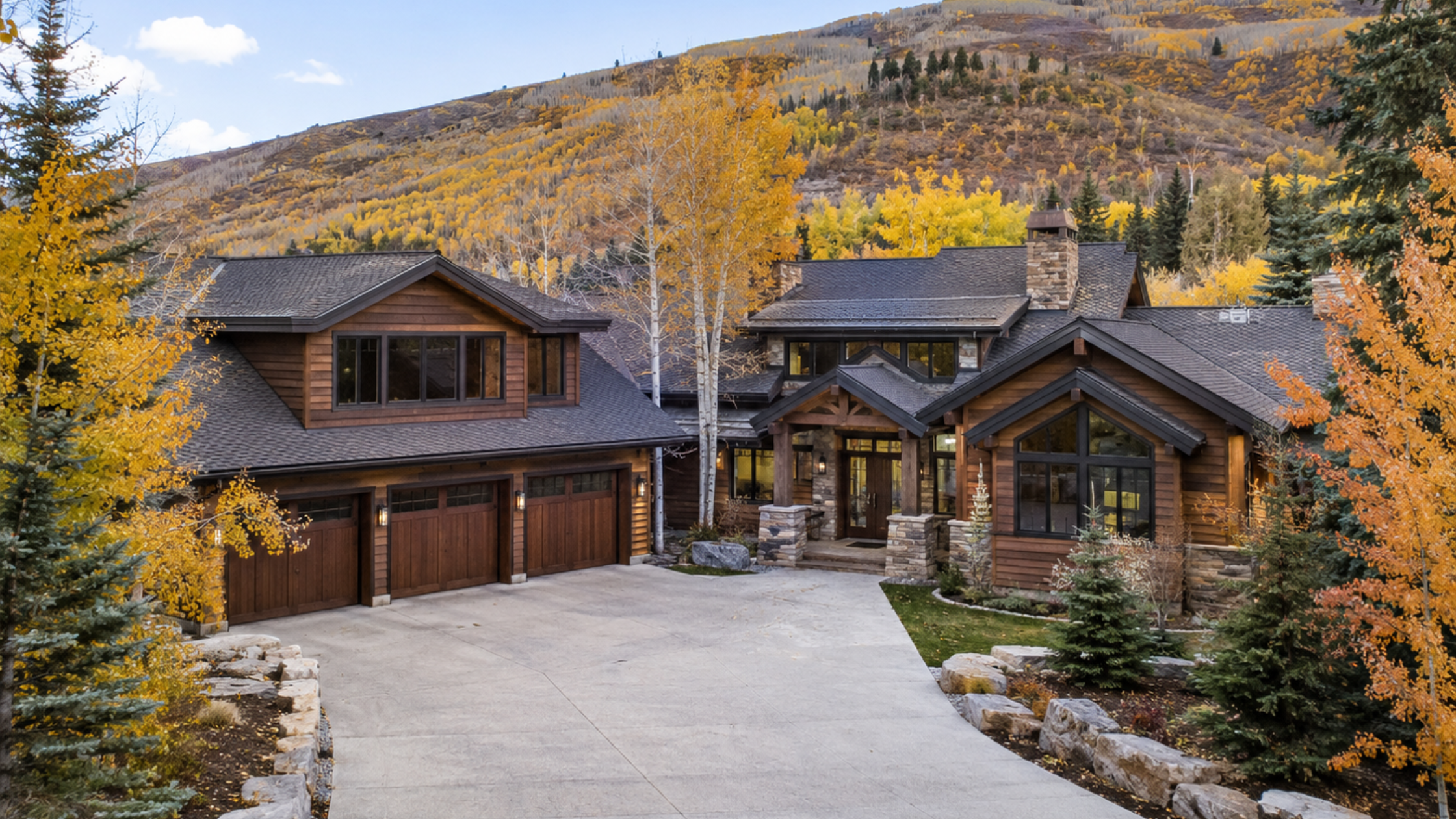
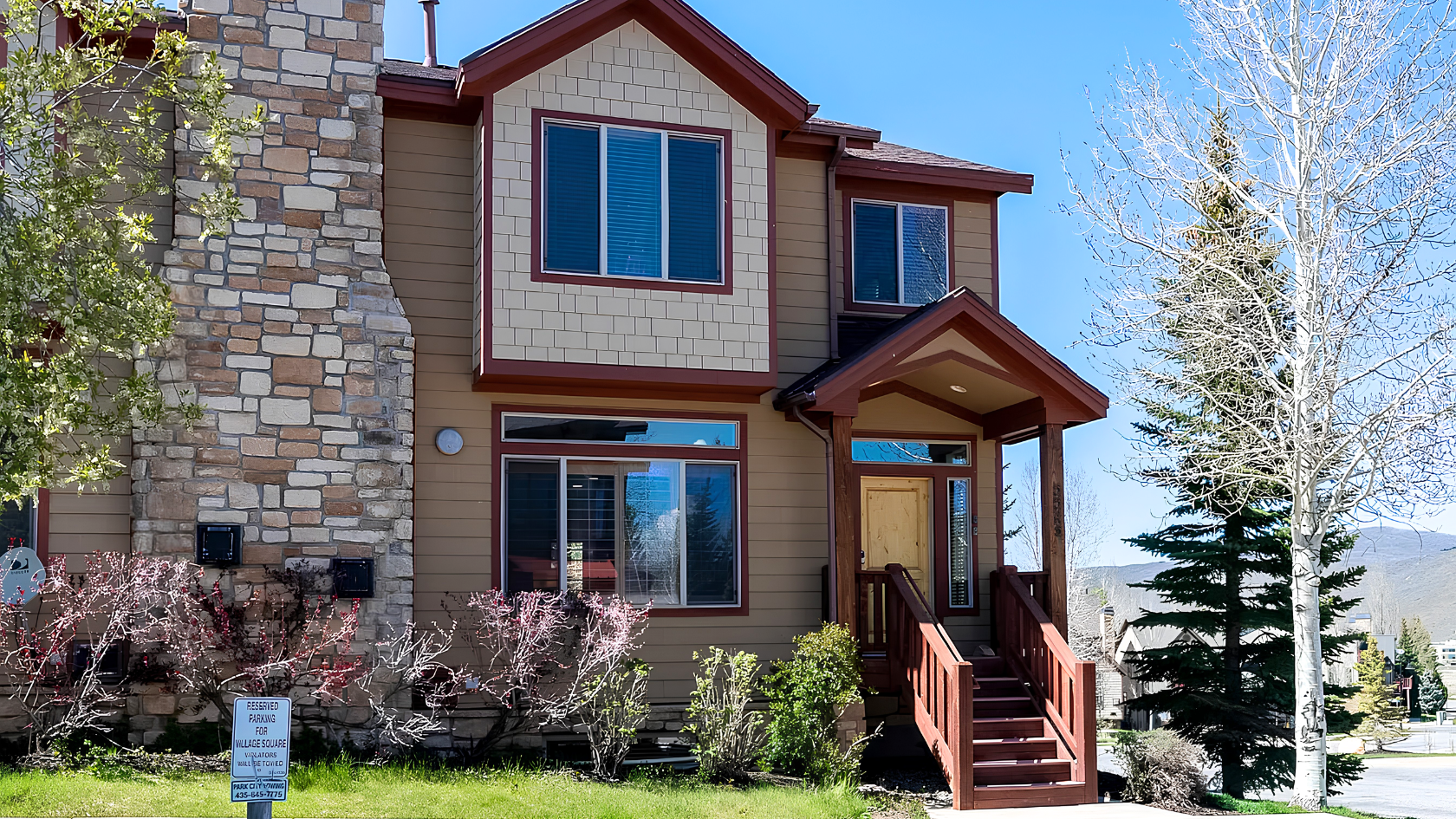
Park City home during a fall property tour with driveway and exterior fully visible

New Construction vs. Resale Before Winter

Fall also sharpens the difference between new construction and resale.

A completed resale property can potentially put you in possession before winter. You also have the advantage of evaluating a finished home and its immediate surroundings.

New construction may provide newer systems, modern layouts, current finishes, and fewer immediate renovation needs, but completion timing deserves careful scrutiny as the weather changes.

For a new property, ask about:

  • Certificate of occupancy timing
  • Access during construction
  • Punch-list completion
  • Landscaping that may remain unfinished
  • Snow-management responsibility
  • Builder warranty coverage
  • Delayed amenities
  • HOA turnover
  • Road or resort infrastructure still under construction

A projected completion date and a fully usable winter residence are not always the same thing.

How to Approach a Fall Offer in Park City

Start with the micro-market, not the season.

Compare the property with relevant recent sales and current competition in the same segment. Then study the seller's situation.

A strong fall offer may use terms other than price to create value. Depending on the transaction, those could include a convenient closing date, treatment of furnishings, possession timing, inspection terms, or flexibility around an existing rental.

For furnished second homes, create a detailed inventory of what transfers with the property. Do not assume every sofa, piece of artwork, ski rack, television, or kitchen item visible during a showing is included.

If the property has been on the market for several months, determine why before concluding that the seller is desperate.

Sometimes the price is wrong.

Sometimes the property has a specific drawback.

Sometimes an expensive or highly specialized home simply needs a particular buyer.

A Fall Due-Diligence Checklist for Park City Buyers

Before committing to a Park City property heading into winter, investigate these items:

  1. Obtain an insurance quote before your contingency period expires.
  2. Review HOA financials, including budgets, reserves, meeting minutes, and planned assessments.
  3. Understand snow removal for roads, driveways, stairs, walkways, and roofs.
  4. Inspect drainage and grading while exterior surfaces remain visible.
  5. Evaluate heating systems, fireplaces, and winterization needs.
  6. Verify parking and winter vehicle access.
  7. Confirm property-management requirements if the home will sit vacant for extended periods.
  8. Confirm short-term rental rules if rental income is part of your strategy.
  9. Verify actual ski access rather than relying exclusively on marketing terminology.
  10. Clarify furnishings and equipment that will remain with the property.
  11. Review winter sun exposure and orientation.
  12. Understand the total cost of ownership, not simply the purchase price or mortgage.

For a deeper look at expenses that can accompany mountain ownership, review the hidden costs of owning property in Park City.

When Waiting Until Winter May Actually Be Better

Fall is not automatically superior for every buyer.

If the primary reason you are purchasing a property is genuine door-to-slope access, winter may be the better time for your final evaluation.

You can physically test the route.

You can experience the shuttle.

You can see how long it actually takes to reach the lift.

You can observe snow storage and driveway conditions.

You can understand how busy the building or neighborhood becomes during ski season.

The same applies to buyers whose decision depends primarily on the winter experience rather than the underlying property.

In that case, use fall to create your shortlist and winter to validate it.

Frequently Asked Questions About Buying Park City Real Estate in Fall

Is fall a good time to buy real estate in Park City?

Fall can be a useful time to buy because properties remain easier to inspect before consistent snow cover, summer listings have developed more market history, and buyers may still have time to close and prepare a second home before ski season. It does not guarantee lower prices, and conditions vary substantially by neighborhood and property type.

Are Park City homes cheaper in the fall?

Not necessarily. Park City does not experience a universal fall discount. Some sellers may become more flexible after a property has spent several months on the market, while desirable homes in limited-supply locations may continue to command strong prices.

Is September or October better for buying a Park City home?

September usually gives buyers more time before winter and better visibility of landscaping and exterior conditions. October can provide additional listing history and potentially clearer insight into a seller's position. The better month depends on the individual property.

Should I buy a Park City ski condo before winter?

Buying before winter can provide time to furnish the property, arrange insurance and property management, and prepare for ski season. Buyers should carefully review HOA finances, rental restrictions, ski storage, parking, shuttle access, and snow-management responsibilities.

Should I wait until winter to verify ski-in/ski-out access?

If ski access is one of the primary reasons for purchasing, experiencing the property during ski season can be valuable. Fall can help narrow your shortlist, while winter may provide the best opportunity to physically verify the route between the residence, ski run, and lift.

What should I inspect in a Park City home before winter?

Pay particular attention to drainage, grading, rooflines, exterior stairs, decks, driveways, heating systems, snow-storage areas, retaining walls, and winter access. Several of these features can be easier to evaluate before snow covers the property.

Can I use a Park City property as a short-term rental?

It depends on the property's jurisdiction, zoning, and HOA rules. Park City municipal properties are subject to city regulations, while Snyderville Basin, Hideout, and other nearby areas may follow different requirements. Verify the rules for the exact property before relying on rental income as part of your purchase strategy.

Is Fall the Right Time for You to Buy in Park City?

September through November deserves more attention from Park City buyers because it provides something winter cannot always provide: time and visibility.

You can evaluate exterior conditions, study summer listing history, compare neighborhoods carefully, and potentially complete the logistical work required to use a second home during the coming winter.

But fall itself does not create a good purchase.

The property, price, ownership structure, location, and terms still have to make sense.

If you are hoping to own in Park City before ski season, Tom White can help you compare current properties based on how you will actually use them, from Old Town and Deer Valley to Park Meadows, Canyons Village, and communities farther into the Snyderville Basin.

Rather than beginning with every listing on the market, start with your priorities: how often you will be here, how important ski access is, whether you prefer a condo or single-family home, how much maintenance you want to manage, and whether rental flexibility matters.

From there, the fall market becomes much easier to navigate.


Planning a Park City purchase before ski season?

Share the neighborhoods, property type, price range, and level of ski access you are considering with Tom White. He can help you compare the current options and build a focused shortlist around how you intend to use the property.

Posted in Lifestyle
Aug. 27, 2026

Fall Buying Season in Park City: Why September to November Is Underrated

Park City residential neighborhood surrounded by golden fall aspens and mountain terrain in Utah

If you are considering buying Park City real estate and want to use the property during the coming ski season, waiting until snow is on the ground is not always the most strategic approach.

September through November can be one of the most useful periods for serious buyers. Properties are easier to evaluate before they are covered by snow, summer listings have accumulated enough market history to provide useful context, and buyers may still have time to close, furnish, insure, and prepare a property before winter.

That does not mean every seller becomes negotiable in October or that Park City homes suddenly become inexpensive after Labor Day. They do not.

The advantage of fall is less about finding a universal seasonal discount and more about having a different set of conditions in which to make a careful purchase.

That distinction is especially important in Park City, where the market can vary considerably between a ski-access condo in Empire Pass, an Old Town home, a Park Meadows residence, a Canyons Village property, and a home farther out in the Snyderville Basin.

Is Fall Really One of the Best Times to Buy Park City Real Estate?

For the right buyer, yes.

But the best time to buy Park City real estate depends on what you are purchasing and how you plan to use it.

Park City's market is highly segmented. A single-family home in Park Meadows does not necessarily follow the same dynamics as a resort condo near the slopes. Properties in Old Town, Deer Valley, Canyons Village, Jeremy Ranch, and the Jordanelle area also appeal to buyers with different priorities.

That is why buyers should not expect a certain percentage discount simply because it is October.

A well-positioned home in a sought-after location can attract attention in any month. A property that has been sitting since early summer, requires updating, carries substantial HOA obligations, or presents another complication may create a very different conversation.

Fall gives buyers an opportunity to evaluate those differences carefully.

For buyers who are still determining which part of the market suits them, the Ultimate Guide to Living in Park City, Utah can provide useful context before narrowing the search by neighborhood or property type.

Why Serious Buyers Should Pay Attention to September Through November

You Can Evaluate More of the Property Before Snow Covers It

One of fall's most practical advantages has nothing to do with price.

You can see more of the property.

That matters in a mountain market.

Before consistent snow cover arrives, buyers can more easily examine:

  • Grading and drainage
  • Driveways and retaining walls
  • Decks and exterior stairs
  • Rooflines
  • Landscaping
  • Surrounding trees
  • Exterior drainage
  • Neighboring properties
  • Steep approaches
  • Outdoor living areas

A house that appears straightforward during warmer weather may reveal important winter-management considerations once you begin thinking about where snow will accumulate, how a driveway will be cleared, and where melting snow will drain.

Fall is a particularly useful time to ask those questions because many of the relevant exterior features remain visible.

Listings Have Had Time to Develop a Market History

A listing that entered the market in June or July has a very different story by October.

By fall, buyers and their agents may be able to examine whether the seller has:

  • Reduced the asking price
  • Withdrawn and relisted the property
  • Completed repairs or improvements
  • Adjusted furnishings or inclusions
  • Changed the preferred closing timeline
  • Responded to market feedback

Days on market should never be interpreted in isolation, but listing history can help distinguish a property that simply needs a specialized buyer from one whose original pricing may not have aligned with the market.

That information becomes useful when structuring an offer.

Property Tours Can Be More Focused

Winter is an important time to experience Park City, particularly if ski access is central to your purchase.

It is also a busy time to evaluate real estate.

Fall provides another perspective. Buyers can spend time comparing streets, neighborhoods, driving routes, and properties without making every decision through the lens of a ski vacation.

September can be particularly useful because the mountains are still accessible for many warm-weather activities while buyers can also begin thinking seriously about winter use.

You Still Have Time to Prepare for Ski Season

For second-home buyers, closing is not the final step.

After closing, you may still need to coordinate:

  • Furniture
  • Internet and utilities
  • Homeowners insurance
  • Property management
  • Snow removal
  • Security systems
  • Ski storage
  • Routine maintenance
  • Vehicle arrangements

A September or early October purchase can leave considerably more time to work through those details than a transaction completed during the holiday period.

If your objective is to be settled before regular winter use begins, work backward from your preferred occupancy date rather than simply waiting for snow.

Negotiating Conditions Become More Property-Specific

One of the weakest pieces of seasonal real estate advice is that buyers automatically gain more leverage in fall.

Sometimes they do. Sometimes they do not.

A seller who has carried an unused property through the summer and does not want another winter of ownership may have a reason to negotiate. Another seller may be perfectly comfortable holding the property.

The better questions are:

  • How long has this specific property been available?
  • Has the price changed?
  • Is the property vacant?
  • Is the seller planning to use it during ski season?
  • Is it currently rented?
  • Are furnishings included?
  • Does the seller value a particular closing date?

Those questions produce a much stronger negotiating strategy than the calendar alone.

September vs. October vs. November: What Changes?

Each month provides a slightly different buying environment. Weather conditions vary from year to year, so these should be treated as general planning considerations rather than fixed rules.

Month What Buyers Gain Primary Due-Diligence Focus Best Fit
September Good property visibility, remaining summer activity, and more time before winter Exterior condition, landscaping, trails, resort orientation, and renovation feasibility Buyers hoping to close and prepare before ski season
October More listing history and a quieter transition period Pricing history, winter access, HOA review, and snow management Buyers prioritizing careful comparison and negotiation
November A closer look at early-winter conditions when weather cooperates Heating, winter access, snow removal, and occupancy timing Buyers comfortable with a tighter pre-ski-season timeline

Where Fall Property Tours Are Especially Useful

Different Park City locations reveal different things before winter. The right neighborhood also depends heavily on how frequently you expect to use the property, how important ski access is, and how much day-to-day convenience or maintenance you want.

Old Town

Old Town buyers often focus on walkability, Historic Main Street access, and proximity to Park City Mountain.

Fall is also the time to pay close attention to the less glamorous details.

Look at street grade, stairs, parking, driveway configuration, sun exposure, drainage, and neighboring properties. Historic homes can also involve more complex renovation considerations than newer residences.

Buyers considering this part of town can explore Old Town Park City real estate once they determine that walkability and in-town access are priorities.

Deer Valley and Empire Pass

Deer Valley buyers often place a premium on service, ski access, privacy, and ease of ownership.

Fall allows you to evaluate the physical property, building, views, parking, and neighborhood without winter conditions obscuring exterior features.

One caution is important, however. Do not assume you have verified ski-in/ski-out access simply because a listing describes the property that way.

True ski access varies between buildings and individual residences. Buyers for whom skiing is the deciding factor should review what ski-in ski-out actually means in Park City and, when necessary, return during winter to experience the route personally.

For buyers specifically interested in slopeside ownership, Empire Pass real estate is also worth comparing.

Canyons Village

Canyons Village can make sense for buyers who want a resort-oriented condo or residence with convenient access to Park City Mountain.

Fall is useful for understanding the relationship between the residence, village core, parking, lifts, transportation, and surrounding development without the intensity of the winter season.

It is also worth understanding the geography. Canyons Village is part of the broader Snyderville Basin area rather than a neighborhood within Park City municipal boundaries.

Buyers can compare current Canyons Village homes for sale after deciding whether resort-oriented ownership fits their plans.

Park Meadows

Park Meadows serves a somewhat different buyer.

The neighborhood has a stronger residential and full-time-living component, with single-family homes, larger lots in certain sections, and convenient access to in-town amenities.

Fall allows buyers to evaluate yards, outdoor areas, views, sun exposure, neighborhood streets, and the property's overall relationship to town before winter changes the landscape.

Browse Park Meadows real estate if having more residential space matters more than being directly slopeside.

Jeremy Ranch, Pinebrook, and Kimball Junction

These areas appeal to buyers who place a higher value on everyday convenience, Interstate 80 access, commuting, and practical year-round living.

They are generally considered part of the Snyderville Basin rather than Park City proper.

Fall tours here should pay particular attention to road orientation, traffic patterns, elevation, winter sun, driveway configuration, and the property's relationship to I-80 and Highway 224.

Buyers considering this side of the market may find the guide to living in Jeremy Ranch useful for a deeper comparison.

Jordanelle and Hideout

Jordanelle-area buying has become increasingly important as new construction and development around Deer Valley's expanded terrain continue to reshape the eastern side of the greater Park City market.

Do not treat the entire area as simply another Park City neighborhood.

Hideout is its own municipality, while other Jordanelle-area communities may fall under different jurisdictions.

For buyers considering these properties, fall is a useful time to understand real driving distances, construction activity, views, exposure, HOA obligations, and how the property relates to Deer Valley and the rest of Park City.

What Second-Home and Ski-Condo Buyers Should Investigate in Fall

For a condo or second home, the residence itself is only one part of the purchase.

Before writing an offer, buyers should understand the association.

At minimum, review:

  • The HOA budget
  • Reserve funding
  • Recent HOA meeting minutes
  • Planned capital projects
  • Pending or recent special assessments
  • Master insurance coverage
  • Snow-removal responsibilities
  • Rental restrictions
  • Parking arrangements
  • Ski storage
  • Shuttle or transportation services

The Park City market includes everything from relatively simple residential associations to full-service resort buildings with shuttles, ski storage, concierge services, amenities, and multiple layers of fees.

That makes understanding Park City HOA fees by neighborhood particularly important before comparing properties solely by list price.

If rental income is part of your plan, confirm both local government requirements and HOA restrictions before relying on projected revenue.

Within Park City municipal boundaries, nightly rentals are regulated and require appropriate licensing where they are permitted. Different rules may apply in Snyderville Basin, Hideout, or other nearby jurisdictions.

Never assume that two properties with a Park City mailing address have identical rental rules.

Park City home during a fall property tour with driveway and exterior fully visible

New Construction vs. Resale Before Winter

Fall also sharpens the difference between new construction and resale.

A completed resale property can potentially put you in possession before winter. You also have the advantage of evaluating a finished home and its immediate surroundings.

New construction may provide newer systems, modern layouts, current finishes, and fewer immediate renovation needs, but completion timing deserves careful scrutiny as the weather changes.

For a new property, ask about:

  • Certificate of occupancy timing
  • Access during construction
  • Punch-list completion
  • Landscaping that may remain unfinished
  • Snow-management responsibility
  • Builder warranty coverage
  • Delayed amenities
  • HOA turnover
  • Road or resort infrastructure still under construction

A projected completion date and a fully usable winter residence are not always the same thing.

How to Approach a Fall Offer in Park City

Start with the micro-market, not the season.

Compare the property with relevant recent sales and current competition in the same segment. Then study the seller's situation.

A strong fall offer may use terms other than price to create value. Depending on the transaction, those could include a convenient closing date, treatment of furnishings, possession timing, inspection terms, or flexibility around an existing rental.

For furnished second homes, create a detailed inventory of what transfers with the property. Do not assume every sofa, piece of artwork, ski rack, television, or kitchen item visible during a showing is included.

If the property has been on the market for several months, determine why before concluding that the seller is desperate.

Sometimes the price is wrong.

Sometimes the property has a specific drawback.

Sometimes an expensive or highly specialized home simply needs a particular buyer.

A Fall Due-Diligence Checklist for Park City Buyers

Before committing to a Park City property heading into winter, investigate these items:

  1. Obtain an insurance quote before your contingency period expires.
  2. Review HOA financials, including budgets, reserves, meeting minutes, and planned assessments.
  3. Understand snow removal for roads, driveways, stairs, walkways, and roofs.
  4. Inspect drainage and grading while exterior surfaces remain visible.
  5. Evaluate heating systems, fireplaces, and winterization needs.
  6. Verify parking and winter vehicle access.
  7. Confirm property-management requirements if the home will sit vacant for extended periods.
  8. Confirm short-term rental rules if rental income is part of your strategy.
  9. Verify actual ski access rather than relying exclusively on marketing terminology.
  10. Clarify furnishings and equipment that will remain with the property.
  11. Review winter sun exposure and orientation.
  12. Understand the total cost of ownership, not simply the purchase price or mortgage.

For a deeper look at expenses that can accompany mountain ownership, review the hidden costs of owning property in Park City.

When Waiting Until Winter May Actually Be Better

Fall is not automatically superior for every buyer.

If the primary reason you are purchasing a property is genuine door-to-slope access, winter may be the better time for your final evaluation.

You can physically test the route.

You can experience the shuttle.

You can see how long it actually takes to reach the lift.

You can observe snow storage and driveway conditions.

You can understand how busy the building or neighborhood becomes during ski season.

The same applies to buyers whose decision depends primarily on the winter experience rather than the underlying property.

In that case, use fall to create your shortlist and winter to validate it.

Frequently Asked Questions About Buying Park City Real Estate in Fall

Is fall a good time to buy real estate in Park City?

Fall can be a useful time to buy because properties remain easier to inspect before consistent snow cover, summer listings have developed more market history, and buyers may still have time to close and prepare a second home before ski season. It does not guarantee lower prices, and conditions vary substantially by neighborhood and property type.

Are Park City homes cheaper in the fall?

Not necessarily. Park City does not experience a universal fall discount. Some sellers may become more flexible after a property has spent several months on the market, while desirable homes in limited-supply locations may continue to command strong prices.

Is September or October better for buying a Park City home?

September usually gives buyers more time before winter and better visibility of landscaping and exterior conditions. October can provide additional listing history and potentially clearer insight into a seller's position. The better month depends on the individual property.

Should I buy a Park City ski condo before winter?

Buying before winter can provide time to furnish the property, arrange insurance and property management, and prepare for ski season. Buyers should carefully review HOA finances, rental restrictions, ski storage, parking, shuttle access, and snow-management responsibilities.

Should I wait until winter to verify ski-in/ski-out access?

If ski access is one of the primary reasons for purchasing, experiencing the property during ski season can be valuable. Fall can help narrow your shortlist, while winter may provide the best opportunity to physically verify the route between the residence, ski run, and lift.

What should I inspect in a Park City home before winter?

Pay particular attention to drainage, grading, rooflines, exterior stairs, decks, driveways, heating systems, snow-storage areas, retaining walls, and winter access. Several of these features can be easier to evaluate before snow covers the property.

Can I use a Park City property as a short-term rental?

It depends on the property's jurisdiction, zoning, and HOA rules. Park City municipal properties are subject to city regulations, while Snyderville Basin, Hideout, and other nearby areas may follow different requirements. Verify the rules for the exact property before relying on rental income as part of your purchase strategy.

Is Fall the Right Time for You to Buy in Park City?

September through November deserves more attention from Park City buyers because it provides something winter cannot always provide: time and visibility.

You can evaluate exterior conditions, study summer listing history, compare neighborhoods carefully, and potentially complete the logistical work required to use a second home during the coming winter.

But fall itself does not create a good purchase.

The property, price, ownership structure, location, and terms still have to make sense.

If you are hoping to own in Park City before ski season, Tom White can help you compare current properties based on how you will actually use them, from Old Town and Deer Valley to Park Meadows, Canyons Village, and communities farther into the Snyderville Basin.

Rather than beginning with every listing on the market, start with your priorities: how often you will be here, how important ski access is, whether you prefer a condo or single-family home, how much maintenance you want to manage, and whether rental flexibility matters.

From there, the fall market becomes much easier to navigate.


Planning a Park City purchase before ski season?

Share the neighborhoods, property type, price range, and level of ski access you are considering with Tom White. He can help you compare the current options and build a focused shortlist around how you intend to use the property.
Posted in Lifestyle
Aug. 21, 2026

Promontory vs Glenwild: Which Park City Golf Community Fits You?

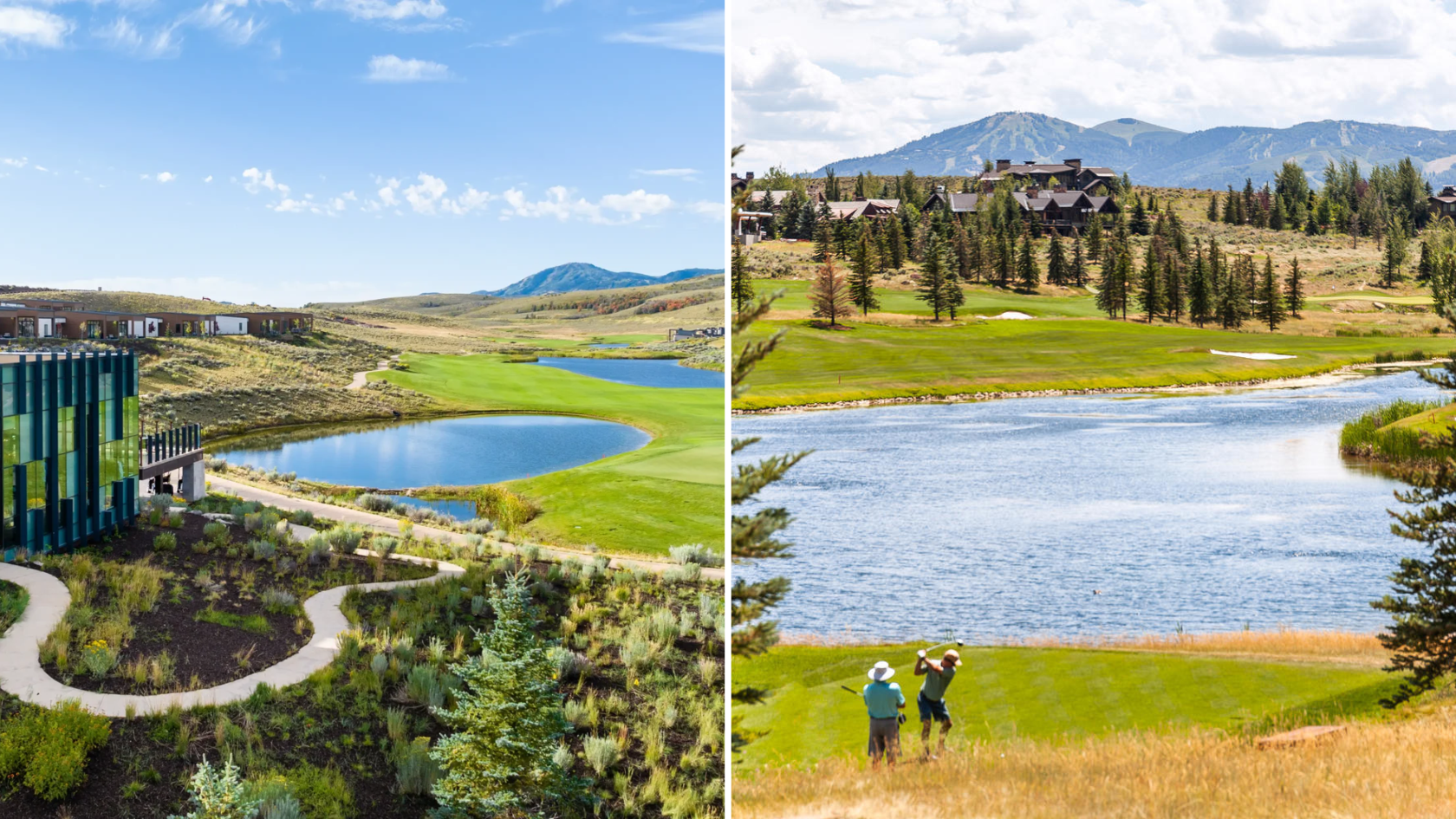
Aerial view of Promontory and Glenwild golf communities in Park City, Utah with Wasatch Range in background

Buyers who have narrowed their Park City search to two gated golf communities on the north side of town frequently arrive at the same impasse. Both communities have been toured. Both appear to offer the same fundamental proposition. The decision stalls.

The confusion is understandable. On paper, Promontory and Glenwild present as variations on a single idea: a private gate, championship golf, substantial homes, Wasatch views, and a drive of roughly twenty minutes to Park City Mountain. In practice, the resemblance does not survive close examination. These are two distinct products serving two distinct buyer profiles, and the decision typically resolves itself once the structural differences are understood.

The comparison below addresses density, golf, club membership, amenities, location, and current pricing data.

Promontory vs Glenwild at a Glance

  Promontory Glenwild
Approximate acreage 7,000 acres 950 acres
Approximate homesites Several hundred across multiple neighborhoods Approximately 200
Golf Two championship courses (Pete Dye, Jack Nicklaus) plus a short course One championship course (Tom Fazio), ranked first in Utah by Golf Digest for 2025-26
Membership model Tiered. Social, golf, and equestrian options. Not required for ownership. Fully decoupled. Ownership does not require membership, and membership does not require ownership.
Amenity breadth Extensive. Equestrian center, beach club, family clubhouse, and a private ski lodge at Park City Mountain. Focused. Clubhouse dining, spa, fitness, and tennis.
Median sale price, first half 2026 Approximately $5.65 million Approximately $7.9 million
Closings, first half 2026 Approximately 40 Approximately 9
Best suited to Buyers seeking amenity depth, family programming, and inventory selection Buyers seeking course quality, low density, and quiet

Community Scale and Density

Scale represents the difference most buyers underestimate, and it shapes daily life more substantially than any amenity list.

Promontory: Scale and Neighborhood Variation

Promontory spans approximately 7,000 acres northeast of Park City, along the Highway 40 corridor. It ranks among the largest master-planned communities in Utah, and the interior is organized into distinct neighborhoods, each carrying its own architectural character, price band, and in certain cases its own sub-association.

The practical consequence is that Promontory does not present a single, consistent experience. Painted Valley differs materially from Horizon Point, which in turn differs from the ranch parcels. Buyers who tour Promontory once and form an unfavorable impression have frequently seen a single neighborhood out of a dozen.

Glenwild: Consistency Through Limited Scale

Glenwild occupies approximately 950 gated acres nearer the I-80 corridor, comprising roughly 200 homesites in total. That figure represents the entire community. The property can be driven in its entirety in fifteen minutes, and most owners become familiar with their neighbors within a single season.

What Density Means in Practice

Neither model is superior. They produce different experiences, and buyers tend to have a clear preference once the distinction is made explicit.

Considerations favoring Promontory's scale:

  • A larger resident base supports a fuller programming calendar
  • Greater optionality in dining, recreation, and social activity
  • More neighborhoods, and therefore more opportunity to find a specific architectural style or setting

Considerations favoring Glenwild's scale:

  • Lower traffic and a quieter daily environment
  • A more cohesive community culture
  • Greater privacy on individual parcels

One practical consequence warrants specific attention. Promontory's scale produces consistently deeper inventory. In a given month, active listings across property types may exceed one hundred, spanning smaller cabins, multi-acre estates, and raw land. Glenwild's inventory is comparatively thin, and a specific view corridor or lot orientation may require patience. Buyers operating against a fixed occupancy date should weigh this accordingly. Current availability can be reviewed among Promontory homes for sale.

The Golf

Glenwild: Single-Course Excellence

Glenwild is anchored by a Tom Fazio course that has held the leading position in Utah within Golf Digest's state rankings, including the 2025-26 list. For a meaningful proportion of Glenwild owners, the course is the reason they purchased there.

The course routes through natural high-desert terrain rather than around a housing tract, and the low homesite count keeps rooflines out of view across most of the property. Available properties can be reviewed among Glenwild homes for sale.

Promontory: Variety Across Multiple Courses

Promontory offers substantially more golf. The community maintains two championship courses, the Pete Dye course and the Jack Nicklaus course, supplemented by a shorter course. Together these provide the variety that sustains interest across a decade or more of ownership.

The courses are of high quality. Whether either surpasses Glenwild's is a question without a settled answer and does not require resolution here.

Matching the Course to the Golfer

The more useful distinction is one of orientation rather than quality:

  • Promontory delivers volume and variety, supporting golfers who want different experiences across many rounds
  • Glenwild delivers a single course of unusual quality, supported by a membership base that treats the game seriously

In general, low-handicap golfers gravitate toward Glenwild. Buyers for whom golf is one component of a broader recreational program gravitate toward Promontory.

Club Membership Structure

Membership structure represents the most consequential difference between the two communities and the element buyers most frequently misunderstand. It affects both total cost of ownership and long-term flexibility.

Promontory: Tiered Membership

Promontory operates a tiered membership model comprising a social tier, a full golf tier, and an equestrian option. Each carries its own initiation deposit and annual dues schedule. Ownership does not confer automatic membership.

Availability at the golf tier has been constrained at various points. Certain resale properties carry transferable memberships while others do not, which means two Promontory homes at comparable prices may convey materially different club access. That difference follows the property through subsequent resale and should be treated as a component of value.

Glenwild: Membership Decoupled From Ownership

Glenwild operates on the opposite principle. Club membership and real estate ownership are separate propositions. Owning within Glenwild does not obligate a purchaser to join the club, and joining the club does not require property ownership.

This structure is unusual among Park City clubs and carries implications in both directions:

  • A purchaser may acquire a home and defer the membership decision
  • A golfer may pursue membership without purchasing real estate, subject to club approval
  • The real estate decision and the club decision can be evaluated independently rather than as a single transaction

Cost Considerations

Both clubs sit at the upper end of the Park City range once initiation, annual dues, and HOA obligations are considered together. Promontory additionally imposes a food and beverage minimum, which Glenwild does not.

Published all-in annual carry figures for either club circulate widely and are frequently outdated. Both clubs adjust their fee structures periodically, and neither publishes a public schedule.

Specific figures are deliberately omitted here. Any number published today may be inaccurate within a quarter, and sources presenting such figures as current warrant scrutiny. What can be stated reliably is that annual carry at this tier constitutes a five-figure commitment independent of any mortgage obligation, and that the differential between the entry tier and the golf tier is substantial enough to alter which properties belong on a tour list.

Membership Due Diligence Checklist

The following should be confirmed in writing before an offer is submitted:

  • Current initiation deposit and refundability terms
  • Annual dues at the intended membership tier
  • Whether membership conveys with the property or requires reapplication
  • Waitlist status at the golf tier
  • HOA dues, including any applicable sub-association fee
  • Transfer fees payable at closing
  • Food and beverage minimums

Amenities Beyond Golf

Amenity breadth is where the two communities diverge most sharply.

Promontory: Comprehensive Amenity Package

Promontory maintains the most extensive amenity offering in the Park City area. Beyond golf, the community includes:

  • An equestrian center
  • A beach club with a sand-entry pool
  • A family clubhouse featuring a theater, bowling, arcade, and arts programming
  • Multiple dining venues
  • A spa and fitness facility
  • Youth camp programming
  • A private members' ski lodge at Park City Mountain

For families with children or regularly visiting grandchildren, the ski lodge alone frequently determines the decision, as it provides a base of operations on the mountain that no comparable community offers. Buyers prioritizing mountain access above all else may also want to review ski-in ski-out options in Park City.

Glenwild: Focused Amenity Offering

Glenwild maintains a clubhouse with dining, a spa, fitness facilities, and tennis. The offering is well operated and appropriate to the community's scale.

Glenwild does not attempt to replicate Promontory's breadth, and a substantial portion of its membership selected the community specifically because it does not.

Assessing Amenity Requirements

Buyers with children under eighteen who will spend summers in Park City should assess honestly how much programming the household will realistically use. Selecting the quieter community and subsequently driving into town daily for activities is a common and avoidable outcome.

Location and Access

Golf course in Park City Utah during summer

Both communities sit within the Snyderville Basin, both are gated, and both are within a reasonable drive of Park City Mountain and Deer Valley.

Glenwild: Proximity to the I-80 Corridor

Glenwild's position nearer I-80 produces a modestly shorter drive to Salt Lake City International Airport. For owners who travel frequently or commute to Salt Lake City, this represents a genuine convenience, and Glenwild owners cite it regularly.

Promontory: Proximity to the Jordanelle and Deer Valley East Village

Promontory's position along Highway 40 places it nearer the Jordanelle and the Deer Valley East Village development. Given the volume of construction in that corridor, this consideration carries more weight now than it did five years ago.

School District Boundaries

School district boundaries should be confirmed for the specific address under consideration rather than assumed at the community level. Boundaries vary by parcel and should not be inferred from the community name. Where schools factor into the decision, the boundary should be verified for the exact parcel prior to an offer.

Pricing: 2026 Market Data

Both communities sit firmly within Park City's luxury tier, though they distribute across price points differently. The headline medians are misleading if read without context.

Promontory Sales Activity

Promontory produced approximately 40 closings in the first half of 2026, totaling roughly $254 million in volume, with a median sale price near $5.65 million and a high sale of $25 million. More than twenty of those first-half closings exceeded $5 million.

Transaction volume is the defining characteristic. Promontory consistently ranks among the highest-volume luxury communities in the Park City area.

Glenwild Sales Activity

Glenwild produced approximately 9 closings over the same period, totaling roughly $66 million in volume, with a median sale price near $7.9 million and a high sale of approximately $11.25 million. Trailing twelve-month single-family sales have ranged from the mid $4 million range to approximately $15.5 million.

Interpreting the Median Difference

Those figures invite an obvious conclusion that happens to be incorrect. Glenwild's higher median does not indicate that Glenwild is uniformly more expensive than Promontory.

The median difference reflects product mix rather than relative value:

  • Glenwild's inventory is narrow, consisting almost entirely of substantial single-family homes
  • Promontory's median is drawn downward by a considerably wider range of property types, including cabins and villas that have no equivalent within Glenwild
  • At the upper end, Promontory transacts considerably higher than Glenwild does

Any comparison that stops at the median will mislead a buyer about where each community's inventory actually sits.

Guidance by Budget

$2 million to $4 million. Promontory offers product within this range for buyers seeking a gated community with private club access. Glenwild largely does not.

$5 million to $10 million. Both communities present viable options. At this level the decision becomes a lifestyle question rather than a budget question.

Above $10 million. Promontory carries deeper inventory at the top of the market, though Glenwild has produced sales in the teens on exceptional acreage.

A Note on Data Currency

The figures above represent ranges drawn from recent closed transactions. Park City's luxury segment moves quickly enough that any published figure carries a limited shelf life.

Sale-to-list ratios across Park City single-family homes have been running in the high nineties, indicating that appropriately priced homes continue to trade efficiently while overpriced listings remain on market. Prior to an offer in either community, comparable sales should be pulled for the specific neighborhood, property type, and membership category. A Promontory cabin and a Promontory ranch estate do not occupy the same market and should not be priced against the same comparables.

Determining the Right Fit

Promontory Suits Buyers Who Want Amenity Depth

Promontory is generally the stronger fit for buyers who:

  • Want the most comprehensive amenity package available in the Park City area
  • Have family members who will actively use that programming
  • Value ski-day infrastructure through club membership
  • Want a broader selection of inventory and property types
  • Prefer flexibility in determining how much club access to purchase

Glenwild Suits Buyers Who Prioritize Golf and Privacy

Glenwild is generally the stronger fit for buyers who:

  • Treat golf as the central priority rather than one amenity among several
  • Want low density and a quiet daily environment
  • Prefer membership decisions decoupled from the real estate decision
  • Value proximity to Salt Lake City International Airport
  • Want a community with a substantial year-round resident population

Resolving the Decision

For buyers who remain undecided after evaluating the criteria above, one approach reliably produces clarity: spend a full day in each community during the season in which the home will see the most use.

The two properties present very differently in July than in February, and most buyers recognize within a few hours which environment they want to return to.

Next Steps

Evaluating either community properly requires access to information that is not published:

  • Current membership terms in writing from each club
  • Comparable sales specific to the neighborhood, property type, and membership category under consideration
  • Confirmation of rental eligibility, sub-association obligations, and any pending assessments on a given property

None of that is available from a listing portal or a community website. It comes from calls to each club and from transaction data that is not public.

Tom White of Park City Home Sales works with buyers evaluating Promontory and Glenwild side by side, and can provide a written comparison covering current membership terms from both clubs, recent comparable sales in the specific neighborhoods and property types under consideration, and the rental and sub-association rules attached to any property on the shortlist. Showings at both communities can be arranged in the same visit.


Request a Promontory and Glenwild Comparison

Frequently Asked Questions

Is Promontory or Glenwild More Expensive?

The answer depends on property type rather than community. Glenwild's median sale price has run higher, near $7.9 million in the first half of 2026 compared with roughly $5.65 million at Promontory. That difference reflects Glenwild's narrower product mix. Promontory offers property below $4 million that has no equivalent within Glenwild, and Promontory's upper market transacts higher.

Is Club Membership Required to Own a Home in Glenwild?

No. Glenwild is unusual among Park City clubs in treating membership and real estate as separate decisions. Ownership without membership is permitted, and membership may be pursued without ownership, subject to club approval. Current policy should be confirmed directly with the club before a purchase decision.

Is Club Membership Required to Own in Promontory?

Ownership does not automatically include or require membership. Promontory offers tiered memberships including social, golf, and equestrian options. Certain resale properties carry transferable memberships while others do not, so membership status should be verified as part of due diligence on any specific property.

Which Community Has the Better Golf Course?

Glenwild's Tom Fazio course has held the leading position in Utah within Golf Digest's state rankings, including the 2025-26 list. Promontory offers more golf overall, with a Pete Dye course, a Jack Nicklaus course, and a shorter course. Low-handicap golfers frequently prefer Glenwild's single-course focus, while buyers seeking variety across many rounds frequently prefer Promontory.

How Far Is Each Community From Park City Mountain and Deer Valley?

Both are approximately a twenty-minute drive from Park City Mountain, depending on conditions and exact address. Glenwild sits nearer the I-80 corridor and Salt Lake City International Airport. Promontory sits nearer the Jordanelle and the Deer Valley East Village development.

Can Homes in Promontory or Glenwild Be Rented Out?

Rental eligibility varies by property, neighborhood, and sub-association rather than applying uniformly across either community. Where rental income factors into a purchase, the question should be treated as property-specific and the applicable rules confirmed in writing before an offer is submitted.

Which Community Is Better Suited to Families With Children?

Promontory generally offers more for children, including extensive youth programming, a family clubhouse, a beach club, an equestrian center, and a private members' ski lodge at Park City Mountain. Glenwild is quieter and more golf-focused, which suits certain families well and others less so.


About the author. Tom White is a licensed real estate agent with Park City Home Sales, working with buyers and sellers across Park City's gated golf and ski communities, including Promontory, Glenwild, Deer Valley, and Empire Pass. Pricing and market figures in this article reflect closed transaction data current through mid-2026 and should be verified against current market conditions before any pricing or offer decision.

Posted in Lifestyle
Aug. 13, 2026

Park City HOA Fees by Neighborhood: What You Actually Pay

Park City HOA fees comparison across Deer Valley condos, Promontory, and Glenwild neighborhoods

Here is a conversation I have with almost every out-of-state buyer. They find a condo online, run the mortgage math, and call me excited. Then I walk them through the HOA dues, the master association fee, the transfer fee at closing, and sometimes a club membership on top, and the monthly number changes by thousands of dollars.

The listing portals will not do this math for you. They display a single HOA figure with no explanation of what it covers, what sits on top of it, or whether it is even current. So let me lay out what ownership actually costs across Park City's neighborhoods, and just as importantly, what you get for the money. One caveat up front: HOA budgets change annually and vary unit by unit, so treat these as orientation ranges and verify the specific property's dues before you write an offer. That verification is part of what I do for every client.


Why Park City HOA Fees Run Higher Than the National Average


Before the numbers, the context. Park City HOAs are not managing a pool in Phoenix. They are plowing steep private roads at 8,000 feet all winter, maintaining roofs engineered for heavy snow loads, insuring buildings in a resort market, and often staffing amenities like ski valets, shuttles, spas, and clubhouses.

When a buyer tells me a fee seems high, my first question is always: high compared to what? A $2,500 monthly fee that covers all exterior maintenance, insurance, snow removal, a shuttle, a pool, and ski storage can be a fair trade against owning a single-family home where you pay for all of that separately. The goal is not the lowest fee. It is understanding exactly what the fee buys.


The Three Layers of Cost Buyers Miss


Park City ownership costs stack in layers, and portals only show you the first one.

Layer one is the base HOA fee, monthly or annual dues to the building or community association.

Layer two is master association fees, which apply in large planned communities where your building's HOA sits inside a bigger structure. Empire Pass is the classic example, where every owner pays a master HOA fee on top of individual building dues.

Layer three is transfer fees, a one-time charge at closing calculated as a percentage of the purchase price. On a $3 million purchase, a 1 percent transfer fee is $30,000, and it surprises buyers constantly because it appears nowhere in the listing. Club communities add a fourth layer: membership deposits and dues that are technically separate from the HOA but practically part of the cost of living there.


HOA Fees by Neighborhood: The Real Numbers


Here is how the market breaks down, moving roughly from the resort core outward.


Deer Valley and Resort Base Condos

Condo HOAs in the resort base areas generally run from about $1,000 to $3,000 or more per month, with branded luxury buildings in Upper Deer Valley and Empire Pass frequently exceeding $3,000. These fees typically cover exterior maintenance, building insurance, snow removal, and amenity operations, and in full-service buildings they fund concierge staff, ski valets, pools, spas, and shuttles.

Empire Pass owners also pay the master association fee on top of building dues, and the community carries a 1 percent transfer fee at closing that funds the private ski lodges and shared infrastructure. Deer Crest carries its own 1 percent transfer fee. The Colony at White Pine Canyon typically runs 0.5 to 1 percent.


Promontory

Promontory is where buyers most often underestimate the true monthly cost. The Conservancy assessment, which is the HOA layer that applies to every owner whether or not they join the club, runs around $500 or more per month. Club membership is separate and optional in structure but central to the lifestyle: full golf membership dues run around $2,000 per month, with a social tier around half that, plus a membership deposit and food and beverage minimums.

Add it up and a Promontory golf household is realistically budgeting $30,000 or more per year in community costs before property taxes. There is also a 1 percent transfer fee at closing. For the right buyer, the amenity package justifies every dollar. My job is making sure you see the full number before you fall in love with the view.


Glenwild

Glenwild is Park City's more intimate golf community, and its structure has a quirk worth knowing: membership is not tied to property ownership. You can own in Glenwild without a golf membership, and non-owners can join the club, which gives owners here more flexibility than Promontory's model. Community HOA dues cover the gated entry, roads, and common area maintenance, membership dues sit on top for those who join, and the community carries a 1 percent transfer fee at closing.


In-Town Park City: Old Town, Park Meadows, Prospector

In-town costs drop significantly. Old Town condos vary widely by building age and amenities, from modest fees in simple walk-up buildings to resort-level dues in newer full-service projects near the Town Lift. Park Meadows and other established single-family neighborhoods often charge only nominal annual fees, sometimes in the low hundreds per year, covering entry landscaping and basic common areas.

Transfer fees here are gentler too. Standard condo buildings typically charge a flat fee in the low hundreds or a fraction of a percent, and many single-family neighborhoods like Pinebrook and Silver Creek keep flat fees in the $100 to $300 range.


Jordanelle Corridor and Newer Communities

The corridor around the Jordanelle Reservoir mixes newer condo and townhome projects with club communities like Victory Ranch and Red Ledges toward Heber. Newer townhome HOAs typically land in the mid hundreds per month, covering exterior maintenance and snow removal. Victory Ranch and Red Ledges each carry a 0.5 percent transfer fee, roughly half the resort-core standard, which is one of several reasons value-focused buyers keep pushing this direction.


The Question That Matters More Than the Fee: Reserves


Here is the part portals will never tell you, and where I have saved clients real money. A low HOA fee is not automatically good news. Buildings that underprice their dues for years often make up the gap with special assessments, one-time bills to owners that can run from five figures to six when a roof, elevator, or boiler finally demands replacement. Park City's snow loads and freeze-thaw cycles are hard on buildings, so this is not a theoretical risk here.

Before any of my clients close on a condo, we review the HOA budget, the reserve study, meeting minutes, and any pending litigation or planned assessments. A building charging $1,800 per month with healthy reserves is often a safer buy than one charging $1,200 with an empty fund and a thirty-year-old roof.


What This Means for Your Search


Do not filter properties by HOA fee alone. Filter by total monthly cost of ownership and by what the fee delivers. A full-service Deer Valley building with a $3,000 fee might replace $3,500 of costs you would otherwise carry yourself. A golf community fee only makes sense if you will use the golf. And a suspiciously low fee deserves more scrutiny, not less.

Every neighborhood on this list prices its lifestyle differently, and the right answer depends entirely on how you will use the property. That is a conversation I am glad to have with real numbers for the specific buildings on your shortlist.


Get the Real Numbers Before You Write an Offer


I keep current HOA and transfer fee details on the communities my clients ask about most, and I review the association documents on every purchase before my buyers commit. If you are comparing neighborhoods and want the true cost of ownership side by side, call or text Tom White at 435.640.0217, or start your search at parkcityhomesales.com. Bring me your shortlist and I will bring the numbers the portals leave out.


Posted in Lifestyle
July 24, 2026

Deer Valley vs. Park City Mountain: Which Area Should You Buy a Home In? (2026 Guide)

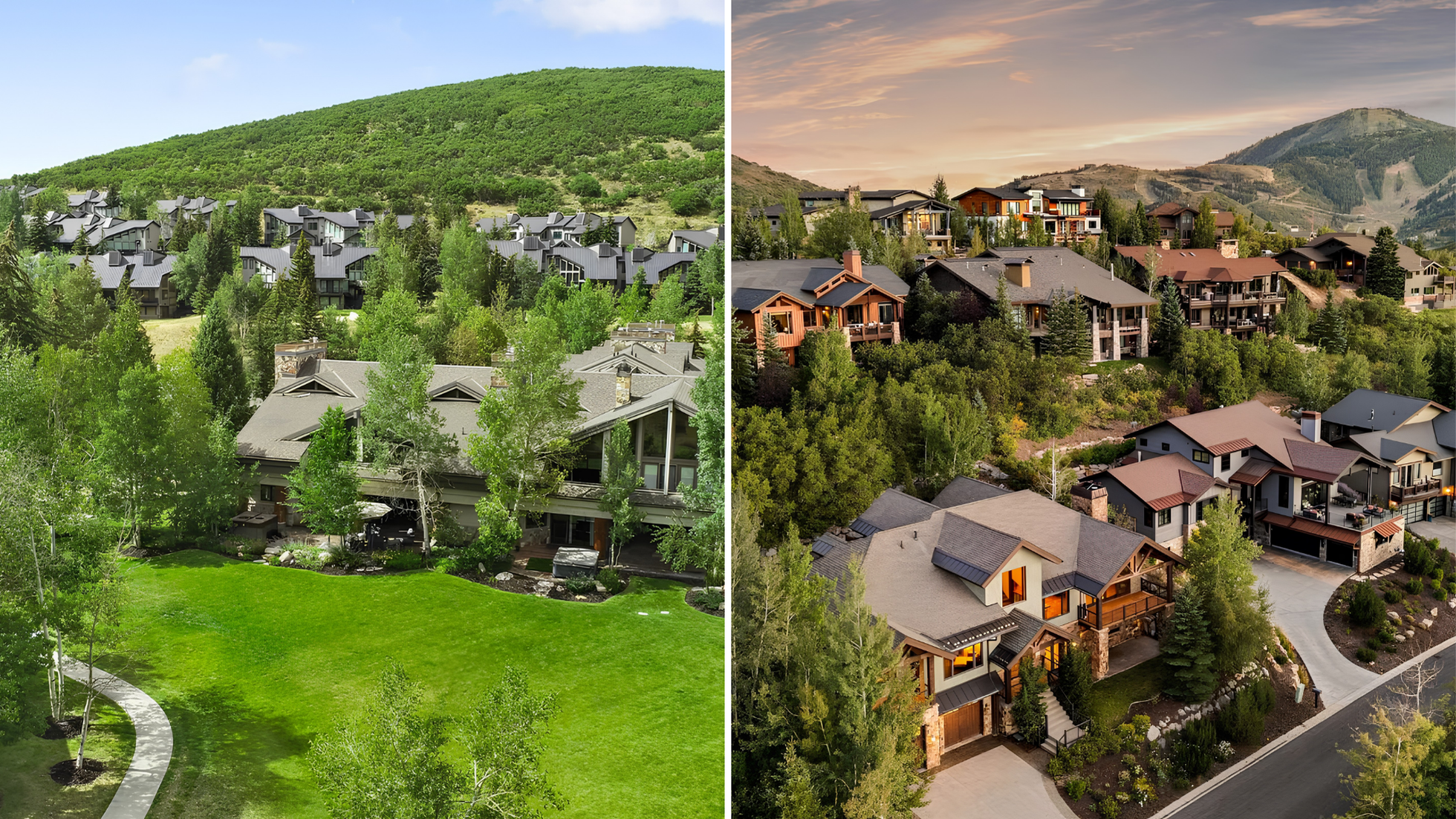
Aerial view comparing Deer Valley and Park City Mountain neighborhoods with luxury homes, ski resorts, and scenic mountain landscapes in Park City, Utah.

If you're searching for luxury real estate in Park City, one question will likely come up early in your home search:

Should you buy in Deer Valley or near Park City Mountain?

While both offer incredible mountain living, world-class skiing, and strong long-term appeal, they deliver very different lifestyles. One emphasizes privacy, luxury, and exclusivity, while the other offers a more energetic atmosphere with greater walkability and a wider variety of homes.

Choosing between them isn't simply about finding the closest ski lift. It's about understanding how each community fits your lifestyle, long-term goals, and investment strategy.

Whether you're looking for a primary residence, second home, or vacation property, this guide compares Deer Valley and Park City Mountain to help you make a confident decision.

For a complete overview of the local market, lifestyle, and neighborhoods, start with Ultimate Guide to Living in Park City, Utah (2026 Edition).


Why Buyers Compare Deer Valley and Park City Mountain


Although these two destinations sit only a few minutes apart, they appeal to different types of buyers.

Both provide access to exceptional skiing, outdoor recreation, dining, and year-round activities, but the overall ownership experience is noticeably different.

Some buyers prioritize direct ski access and luxury amenities. Others value walkability, nightlife, or easier access to Main Street.

Understanding these differences before you start touring homes can save time and help narrow your search.


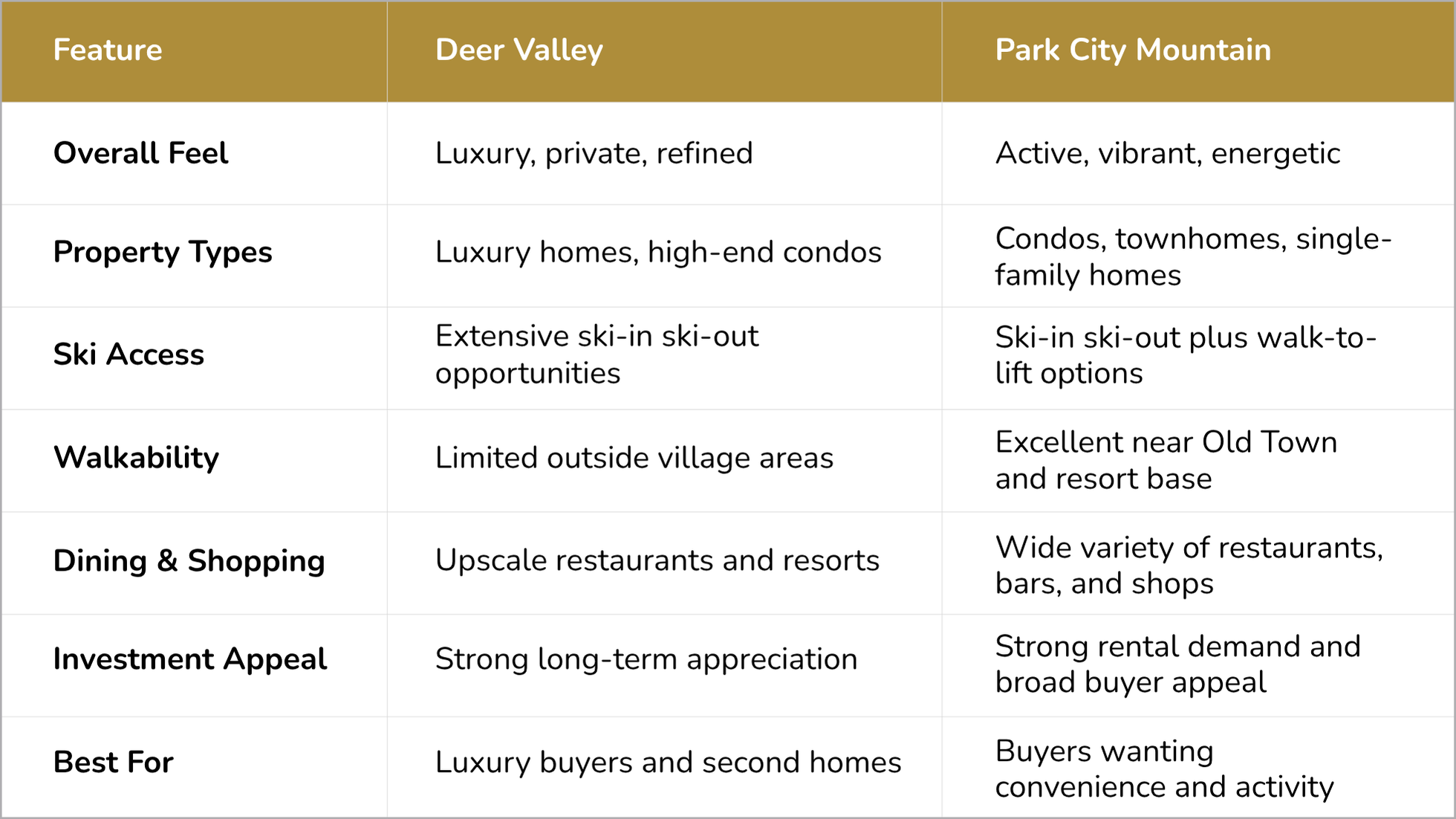
Deer Valley vs. Park City Mountain at a Glance


Comparison table highlighting the differences between Deer Valley and Park City Mountain, including lifestyle, home types, ski access, investment potential, and walkability.


Both are outstanding choices, but each offers a distinct ownership experience.


Buying a Home in Deer Valley


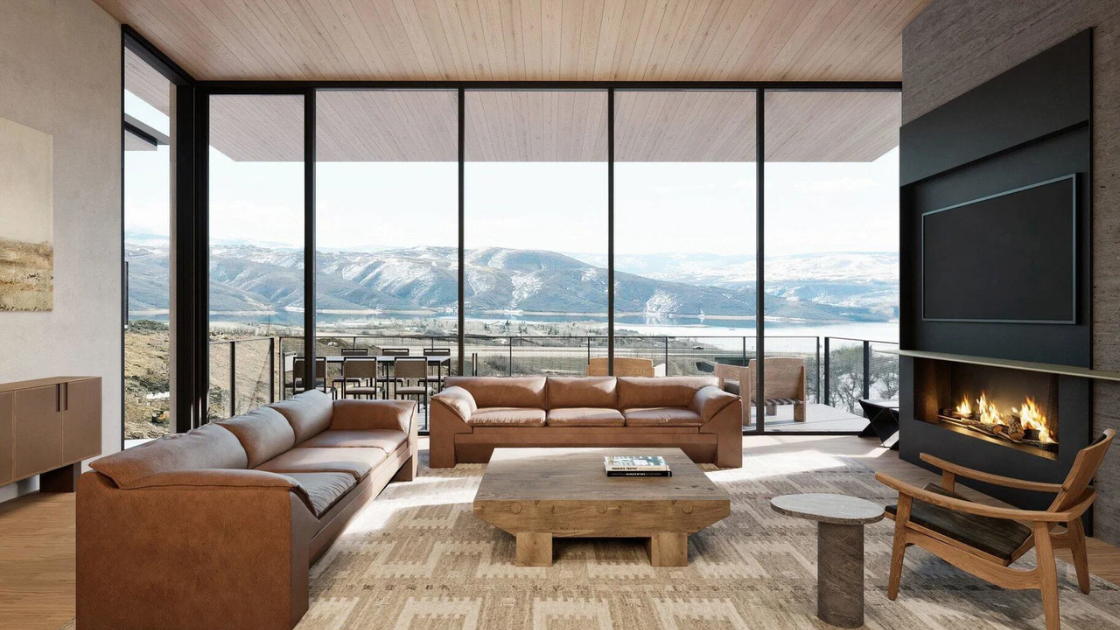
For many buyers, Deer Valley represents the pinnacle of luxury mountain living.

Known for its meticulously maintained ski resort, upscale accommodations, and refined atmosphere, Deer Valley attracts buyers seeking privacy, premium amenities, and exceptional service.

Unlike busier resort areas, Deer Valley has a quieter feel that appeals to homeowners who value a more relaxed environment.

If you're specifically looking for high-end mountain properties, exploring Deer Valley homes for sale is an excellent place to begin.


Luxury Living Comes First

One of Deer Valley's defining characteristics is its luxury-focused environment.


Many properties feature:

  • High-end architectural design
  • Expansive mountain views
  • Premium finishes
  • Private outdoor living spaces
  • Concierge-style amenities
  • Heated driveways
  • Spa and wellness facilities


Many communities also provide services that simplify second-home ownership, making them especially attractive for buyers who travel frequently.


Ski-In Ski-Out Opportunities

One of Deer Valley's biggest advantages is its collection of true ski-in ski-out homes.

While not every property offers direct slope access, Deer Valley has one of the largest selections of ski-in ski-out residences in the Park City area.

For buyers who plan to ski frequently, this level of convenience can significantly enhance the ownership experience.

It also contributes to long-term desirability because inventory remains limited.


Who Deer Valley Is Best For

Deer Valley is often the right fit for buyers who:

  • Want a luxury second home
  • Value privacy over nightlife
  • Plan to spend significant time skiing
  • Prefer newer luxury developments
  • Prioritize long-term appreciation


Many buyers choose Deer Valley because they want a peaceful mountain retreat while remaining only minutes from downtown Park City.


Buying Near Park City Mountain


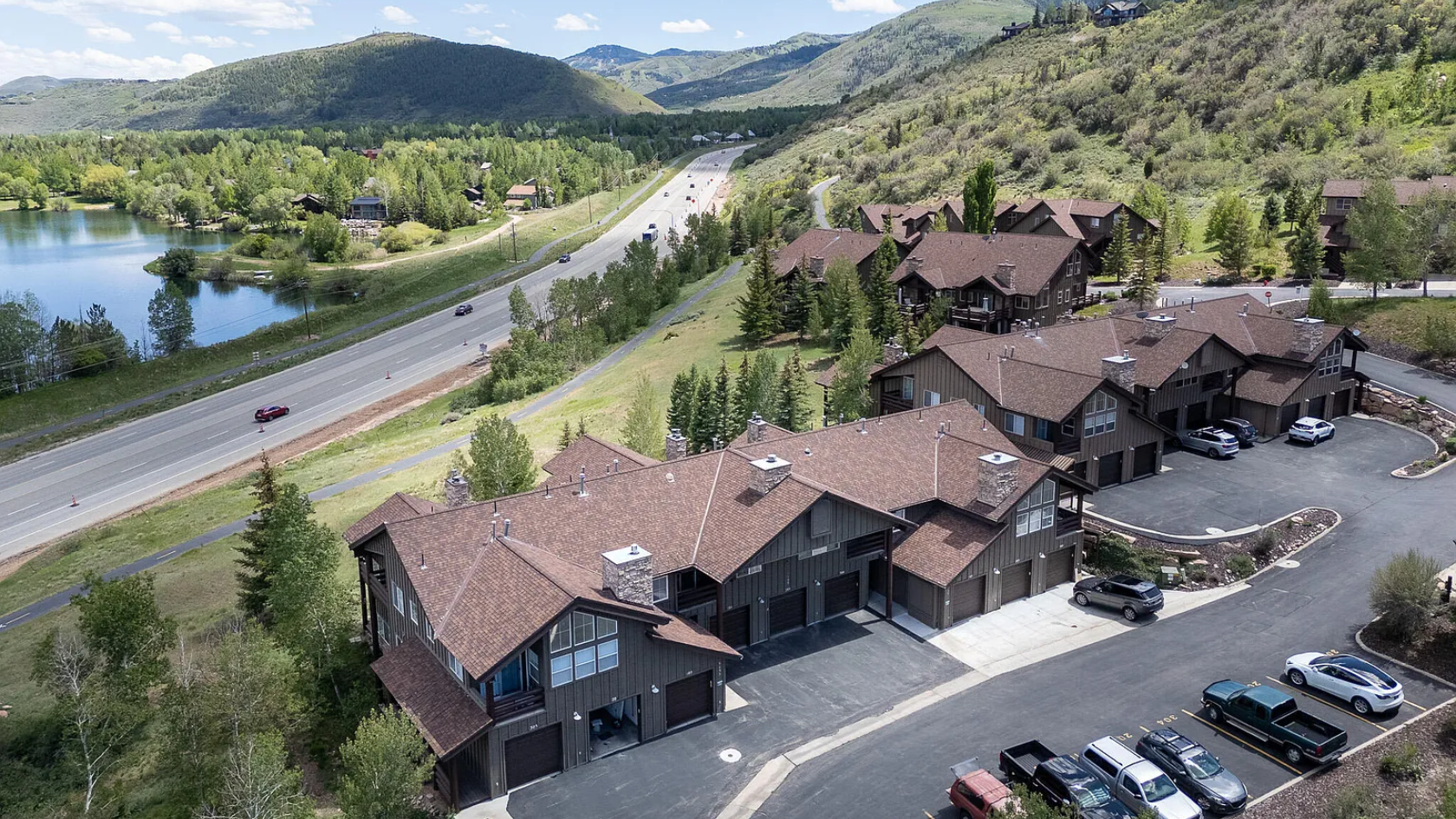
Park City Mountain offers a noticeably different experience.

Rather than focusing exclusively on luxury, it provides a broader mix of housing options and a more active atmosphere throughout the year.

The area attracts everyone from first-time vacation-home buyers to experienced investors looking for rental opportunities.

Its proximity to Main Street also makes it one of the most walkable parts of Park City.


More Variety in Housing

Buyers searching near Park City Mountain will find a wider selection of property types, including:

  • Condominiums
  • Townhomes
  • Single-family homes
  • Luxury residences
  • Vacation properties


This broader inventory creates more flexibility across different price points and ownership goals.

Whether you're looking for a lock-and-leave condo or a full-time residence, Park City Mountain offers more options than many buyers expect.


Walkability and Entertainment

For buyers who enjoy being close to restaurants, shopping, and local events, Park City Mountain has a clear advantage.


Many neighborhoods provide easy access to:

  • Historic Main Street
  • Coffee shops
  • Breweries
  • Art galleries
  • Local boutiques
  • Entertainment venues


Being able to walk or take a short shuttle ride to these attractions is a major selling point for many homeowners.


Year-Round Activity

Although skiing drives much of Park City's reputation, Park City Mountain remains active throughout every season.


Residents enjoy:

  • Hiking
  • Mountain biking
  • Scenic chairlift rides
  • Outdoor concerts
  • Festivals
  • Golf nearby


This four-season lifestyle makes the area attractive for both primary residents and second-home owners.


Comparing Home Styles


One of the biggest differences between Deer Valley and Park City Mountain is the type of homes available.


Deer Valley

Expect to see:

  • Luxury custom homes
  • High-end condominiums
  • Modern mountain architecture
  • Resort residences


Properties often emphasize privacy, views, and premium amenities.


Park City Mountain

The housing mix is more diverse. You'll find:

  • Ski condos
  • Family homes
  • Investment properties
  • Walkable townhomes
  • Luxury residences


This variety gives buyers more flexibility depending on their budget and goals.


Ski Access: Does It Really Matter?


Many buyers begin their search believing they need a ski-in ski-out property.

After touring homes, some discover that a walk-to-lift property or a nearby shuttle provides nearly the same convenience at a different price point.


  • If skiing is your highest priority, Deer Valley offers one of the strongest selections of ski-in ski-out properties in the area.
  • If you're looking for flexibility and walkability, Park City Mountain may offer a better overall balance.


For a deeper explanation of ski access, read What Ski-In Ski-Out Actually Means in Park City (And What It Costs).


Rental and Investment Potential


Both areas have strong investment appeal, but for different reasons.

Deer Valley attracts buyers seeking long-term appreciation and luxury vacation rentals.

Park City Mountain tends to appeal to buyers interested in broader vacation rental demand thanks to its location, accessibility, and proximity to downtown.

If rental income is part of your ownership strategy, it's worth reviewing Best Areas for Airbnb in Park City: Where Short-Term Rentals Perform Best in 2026 before making a decision.


Home Prices: What Buyers Should Expect


One of the biggest differences between Deer Valley and Park City Mountain is pricing.

In general, Deer Valley commands a premium because of its reputation, limited inventory, and concentration of luxury homes and ski-in ski-out properties.

Park City Mountain offers a wider range of options. Buyers can often find everything from entry-level condos to luxury mountain homes, making it attractive to a broader audience.

Rather than focusing only on price, consider the overall value each area offers. The right neighborhood depends on your lifestyle, how often you'll use the property, and your long-term goals.

If you're evaluating luxury properties, be sure to read Park City Luxury Real Estate Guide (2026) for a deeper look at what distinguishes the high-end market.


Year-Round Living


While skiing brings many buyers to Park City, it's the four-season lifestyle that encourages many of them to stay.

Both Deer Valley and Park City Mountain offer exceptional outdoor recreation throughout the year, but each has its own personality once the snow melts.


Deer Valley During the Summer

Deer Valley maintains its peaceful atmosphere year-round.


Residents enjoy:

  • Scenic hiking trails
  • Mountain biking
  • Outdoor concerts
  • Fine dining
  • Luxury resort amenities


The slower pace makes it especially appealing for homeowners looking to relax while still enjoying easy access to outdoor activities.


Park City Mountain During the Summer

Park City Mountain becomes a hub of activity during the warmer months.


Popular activities include:

  • Mountain biking
  • Hiking
  • Alpine slide and mountain coaster
  • Festivals
  • Farmers markets
  • Live music and community events


Its proximity to Historic Main Street means there's always something happening, making it an attractive choice for buyers who enjoy a more social environment.


Which Area Is Better for a Second Home?


Many buyers in Park City are purchasing a second home rather than a primary residence. The best choice depends on how you plan to use the property.


Deer Valley May Be the Better Choice If You:

  • Want a luxury retreat
  • Plan to ski frequently
  • Prefer privacy and quieter surroundings
  • Value premium amenities
  • Expect to own the property for many years


Park City Mountain May Be the Better Choice If You:

  • Want to be close to restaurants and shopping
  • Plan to visit throughout the year
  • Value walkability
  • Prefer a broader selection of homes
  • Want more flexibility for vacation rentals


Common Questions Buyers Ask


Is Deer Valley More Expensive Than Park City Mountain?

Generally, yes. Deer Valley is known for luxury homes, limited inventory, and ski-in ski-out properties, all of which contribute to higher pricing.


Which Area Has Better Ski Access?

Deer Valley offers one of the largest selections of true ski-in ski-out homes. Park City Mountain also offers excellent ski access, but many homes are walk-to-lift or shuttle-access rather than directly on the slopes.


Which Area Is Better for Vacation Rentals?

Both perform well, but they attract different guests. Deer Valley appeals to luxury travelers seeking premium accommodations, while Park City Mountain often attracts a broader range of visitors due to its location, accessibility, and proximity to Main Street.


Which Area Is Better for Full-Time Living?

Many full-time residents choose Park City Mountain because of its convenience, access to schools, shopping, restaurants, and year-round community activities. Deer Valley is often preferred by buyers seeking a quieter lifestyle and a luxury mountain setting.


How to Decide Between Deer Valley and Park City Mountain


Choosing between these two areas isn't about finding the "better" neighborhood. It's about finding the one that best matches your priorities.

If your ideal day starts by stepping onto the ski slopes from your front door and ends in a quiet luxury retreat, Deer Valley may be the perfect fit.

If you picture walking to coffee shops, dining downtown, attending community events, and enjoying a lively mountain atmosphere, Park City Mountain may better match your lifestyle.

Both communities continue to attract buyers from across the country because they offer something increasingly difficult to find: exceptional outdoor recreation, strong long-term desirability, and a high quality of life.


Final Thoughts


Deer Valley and Park City Mountain are two of the most desirable places to own property in Utah, but they offer different ownership experiences.

Deer Valley stands out for luxury, privacy, and ski-in ski-out living.

Park City Mountain offers more variety, walkability, and a vibrant year-round atmosphere.

Neither is universally better than the other. The right choice depends on how you plan to live, vacation, or invest in Park City.

Taking the time to tour both areas and understand their unique characteristics can help you make a confident decision.


Ready to Explore Deer Valley or Park City Mountain?


If you're considering purchasing a home in Deer Valley or near Park City Mountain and would like to explore these neighborhoods in person, Tom White can help you compare your options based on your lifestyle, investment goals, and budget.

Whether you'd like to schedule a property tour or start with a quick conversation, we're happy to answer your questions and help you find the right fit.

You can browse available Deer Valley homes for sale and other Park City real estate listings on ParkCityHomeSales.com, or reach out directly to schedule a time to connect.


Posted in Lifestyle
July 14, 2026

What Ski-In Ski-Out Actually Means in Park City (And What It Costs)

Ski-in ski-out condos at Empire Pass Deer Valley with direct access to the Silver Strike lift

Ski-in ski-out might be the most used, and most misused, phrase in Park City real estate. Two listings can both say "ski-in ski-out" while one lets you click into your bindings at the back door and the other expects you to walk 300 yards in ski boots, cross a road, and hope the snow held up.

If you are shopping for a ski property here, understanding the difference is worth real money. The gap between true slopeside access and "ski access" can easily be seven figures, and it shows up again every time you sell. I have walked buyers through these neighborhoods for years, and this guide covers what the terms actually mean on the Park City MLS, where each type of access lives, and what you can expect to pay in 2026.


The Four Tiers of Ski Access in Park City

The Park City MLS does something most resort markets do not: it classifies ski access at the property level. When your agent pulls a listing, the recreation access field tells you far more than the marketing headline. Here is how the tiers break down in plain language.


Tier 1: True Ski-In Ski-Out (Ski Out of Door)

This is the real thing. You step outside, click in, and ski to a lift or run without walking, shuttling, or crossing a road. On the MLS you will see designations like "Ski Out of Door" and "Ski to Door."

True slopeside properties are concentrated in Empire Pass, Deer Crest, select Silver Lake Village buildings in Upper Deer Valley, and The Colony at White Pine Canyon. This tier carries the highest price per square foot in the entire market, and the premium holds through every market cycle.


Tier 2: Ski Easement or Trail Access

The property connects to the mountain by a dedicated easement or community ski trail. You may glide down a groomed path to reach a run, or skate a short flat section. It works, and on a good snow year it feels nearly identical to Tier 1.

The catch is that easement quality varies. Some trails are steep, narrow, or slow to open early season. Always ski the access route, or at least walk it, before you write an offer.


Tier 3: Walk-to-Lift Access

You can walk to a lift in ski boots, usually in under five to ten minutes. Much of Old Town near the Town Lift falls here, along with several Canyons Village and Lower Deer Valley buildings. Listings in this tier often get marketed as ski-in ski-out, which is where buyers get burned.

Walking distance sounds trivial in July. In February, carrying skis for two kids across an icy sidewalk, it is not. Priced honestly, this tier is a great value. Priced like Tier 1, it is not.


Tier 4: Shuttle or Ski Club Access

The property offers a resort or HOA shuttle to a base area, or membership access to a slopeside ski club and lockers. Most Lower Deer Valley condos and many Park Meadows and Prospector properties work this way. This is the most affordable entry into the Park City ski lifestyle, and for owners who ski ten days a year, it is often the smartest buy.


Why the Distinction Matters: The Price Gap Is Real

Access tier is one of the strongest pricing variables in this market. Recent Deer Valley sales data tells the story clearly. Over the past two years, true ski-in ski-out sales in Deer Valley posted a median around $5.6 to $5.7 million, at roughly $2,000 per square foot. Comparable properties one tier down, with a walk or a path involved, trade meaningfully below that, and shuttle-access condos trade well below both.

Only one true ski-in ski-out sale in Deer Valley closed under $2 million in that window. Read that again if you are budgeting. If a listing under $2 million claims slopeside access at Deer Valley, verify the MLS designation before you fall in love.


What Ski-In Ski-Out Costs by Neighborhood in 2026

Every neighborhood in Park City prices ski access differently. Here is the current landscape, working roughly from the top of the market down. Figures reflect recent closed sales and current listing ranges, and they move, so treat them as orientation rather than gospel.


Empire Pass (Deer Valley)

Empire Pass is the one area where ski-in ski-out is the default rather than the exception. Sitting between roughly 8,900 and 9,500 feet at the top of Deer Valley, it holds about 20 communities of lodge condos, townhomes, and estate homes, nearly all with direct slope access near the Silver Strike and Northside lifts.

Entry-level condos start around $1 million to $1.2 million for smaller older units in buildings like Arrowleaf and Shooting Star. Newer branded product at Montage Deer Valley, One Empire Pass, and Empire Residences typically trades between $3 million and $9 million. Estate homes in Red Cloud have closed above $23 million. Expect a master HOA fee on top of individual building dues, plus a 1 percent transfer fee that funds community amenities.


Deer Crest (Deer Valley)

Deer Crest is a gated community on the Jordanelle side of Deer Valley, and it has quietly become one of the most active ski-in ski-out markets in the resort. Founders Place condos at the base of the Mountaineer Express lift have recently traded from about $2.5 million to over $10 million. St. Regis Deer Valley residences and custom estates run from roughly $4 million to well past $15 million.

What you are buying here is the combination almost nowhere else offers: direct ski access, Jordanelle Reservoir views, and genuine privacy behind a gate.


Upper Deer Valley and Silver Lake Village

Silver Lake Village blends slopeside buildings with walkable restaurants and shops mid-mountain. Stein Eriksen Residences and Goldener Hirsch anchor the branded end, while older 1980s and 1990s condos offer renovation plays with excellent locations. True ski-in ski-out units here generally start around $2.5 million to $3 million, with branded residences running much higher. Renovation-grade units with strong access can occasionally be found below that, and a $100,000 to $250,000 remodel often pencils out well against new construction pricing.


The Colony at White Pine Canyon (Park City Mountain / Canyons side)

The Colony is the largest ski-in ski-out community in North America by land area, with gated estate homes on lots that average around eight acres inside Park City Mountain's Canyons terrain. This is the ultra-luxury end of the market. Homes here typically start above $10 million and reach into the $30 million to $60 million range for signature estates. Buyers trade village walkability for total privacy and direct access to thousands of skiable acres.


Canyons Village

Canyons Village offers the widest range of true ski-in ski-out condo product on the Park City Mountain side. Buildings like Pendry, Lift, Apex, and Sundial Lodge put you steps from the Red Pine Gondola and Orange Bubble Express. Condo-hotel units start under $1 million for studios, with larger residences at Pendry and Apex running from about $2 million to $6 million and beyond. Many buildings here allow nightly rentals, which makes this the strongest zone for buyers who want the property to earn income when they are not using it.


Old Town and the Town Lift Corridor

Old Town gives you the strongest pairing of ski access and Main Street walkability anywhere in town. Most product is Tier 2 or Tier 3 access via the Town Lift, with a median recent condo sale just under $2 million. Newer projects like Kings Crown carry ski easement access to Park City Mountain with modern finishes. Old Town remains the primary nightly rental zone in the city, though winter parking and small lots are real trade-offs.


The Deer Valley Expansion Is Repricing Everything

One more reason access tiers matter right now: Deer Valley has more than doubled its terrain over the past two seasons, adding thousands of acres, new lifts, and an entirely new East Village base off Highway 40. History says resort expansions of this scale lift the whole market. After Vail acquired Park City Mountain in 2014 and linked it with Canyons, pending sales jumped dramatically within weeks and slopeside values near the Canyons base repriced almost overnight.

Established ski-in ski-out neighborhoods have already responded, with Empire Pass and Upper Deer Valley medians climbing over the past year. For buyers, that argues for verifying access carefully and moving decisively when the right property surfaces. For owners of true slopeside property, it is a favorable moment to understand what your home is now worth.


Five Things to Verify Before You Buy "Ski-In Ski-Out"

First, pull the MLS recreation access field for the specific unit, not the building. Within a single Empire Pass building, some units carry Ski to Door designations and others do not.

Second, ski or walk the access route in winter conditions if you can. A route that looks fine on a map can involve a flat skate, a steep pitch, or an early-season dirt patch.

Third, read the HOA documents for ski amenities and fees. Ski lockers, valet, shuttles, and club memberships all live in the HOA structure, and Empire Pass properties carry a master association fee plus building dues.

Fourth, confirm rental rules. Nightly rental permission varies building by building and materially changes both value and financing.

Fifth, check the easement itself. Ski easements are recorded legal instruments. Your title review should confirm the easement runs with the property and identify who maintains it.


Ready to See What True Ski Access Feels Like?

The difference between reading about ski-in ski-out and standing on a deck watching skiers pass your back door is hard to overstate. I live and work in this market year round, and I am happy to pull the actual MLS access designations on any property you are considering, whether that is an entry-level Canyons Village condo or an Empire Pass residence.

Call or text Tom White at 435.640.0217, or browse current ski-in ski-out listings at parkcityhomesales.com. Tell me your budget and how you actually ski, and I will show you where your money goes furthest on the mountain.


June 22, 2026

New Listing Spotlight: 5135 Cove Canyon Dr Apt 204 in Park City's Sun Peak Community

Aerial view of 5135 Cove Canyon Dr Apt 204 in Park City's Sun Peak community featuring mountain views, lake views, and surrounding residential buildings.


Some properties stand out because of their size. Others stand out because of their location. This new listing at 5135 Cove Canyon Dr Apt 204 offers something many Park City buyers are searching for today: easy ownership, beautiful views, and convenient access to everything that makes living here special.

Located in the desirable Sun Peak community, this 2-bedroom, 2-bathroom condo offers 1,455 square feet of comfortable living space with mountain and lake views, an open-concept layout, and a location that's hard to beat.


A Home Designed for Everyday Living


One of the first things you'll notice when you step inside is how bright and inviting the living space feels. Large windows bring in natural light and frame the surrounding scenery, while the open floor plan creates a seamless connection between the kitchen, dining area, and living room.

Whether you're spending a quiet weekend in town or hosting family and friends, the layout offers a comfortable balance of functionality and relaxation.

The spacious living room serves as the heart of the home, creating a welcoming place to gather after a day spent exploring Park City's trails, ski resorts, restaurants, or local events.


Enjoy the Views Year-Round


Park City buyers are often looking for more than just square footage. They want a connection to the outdoors.

At 5135 Cove Canyon Dr Apt 204, you'll enjoy beautiful mountain and lake views that can be appreciated throughout every season. Snow-covered peaks in the winter, green hillsides in the summer, and colorful foliage in the fall create an ever-changing backdrop right outside your window.

The private outdoor space offers the perfect setting to enjoy a morning coffee, unwind in the evening, or simply take in the surrounding scenery.


Why Buyers Love Sun Peak


Sun Peak continues to be one of Park City's most sought-after neighborhoods thanks to its convenient location and peaceful atmosphere.

Residents enjoy quick access to Park City Mountain Resort, Deer Valley Resort, Historic Main Street, hiking and biking trails, shopping, dining, and year-round recreation.

For many buyers, Sun Peak provides the ideal balance between accessibility and privacy. You're close to everything, yet far enough away to enjoy a quieter residential setting.

Whether you're heading to the slopes, meeting friends for dinner, or spending a day exploring town, getting there is simple.


An Attractive Option for Full-Time or Part-Time Living


Open-concept living room and private balcony at 5135 Cove Canyon Dr Apt 204 in Park City, Utah with mountain views and natural light throughout the home.


One of the reasons properties like this continue to attract attention is their versatility.

Some buyers are searching for a full-time residence that offers low-maintenance living and a convenient location. Others are looking for a second home where they can spend weekends, holidays, and extended stays throughout the year.

This condo offers the flexibility to fit a variety of lifestyles while allowing owners to spend more time enjoying Park City and less time worrying about upkeep.


Schedule a Personal Showing


If you've been searching for a Park City property that combines mountain views, comfortable living spaces, and a highly desirable location, 5135 Cove Canyon Dr Apt 204 deserves a closer look.

Offered at $875,000, this Sun Peak condo presents an opportunity to enjoy one of Park City's most popular communities while staying close to everything that makes the area such a special place to call home.

For more information or to schedule a private showing, contact Tom White at (435) 640-0217 or visit 5135covecanyondr204.com.


June 11, 2026

Is Park City Real Estate Overpriced? What Buyers Should Understand in 2026

Drone view of a Park City residential community featuring luxury homes, mountain landscapes, and year-round outdoor living


When buyers first look at the Park City market, one of the most common reactions is simple:

"Why are homes so expensive?"

Compared to many cities across the country, Park City real estate often comes with a higher price tag. Buyers relocating from other markets, second-home purchasers, and investors frequently ask whether current pricing is justified or whether the market has become overvalued.

The answer depends on what you're comparing it to.

In 2026, Park City remains one of the most desirable mountain communities in the United States. Limited inventory, year-round recreation, luxury demand, and proximity to a major international airport continue to support home values.

This guide explains why Park City prices are where they are, how they compare to similar markets, and what buyers should consider before deciding whether the market is right for them.

For a broader look at the community, lifestyle, and housing market, start with Ultimate Guide to Living in Park City, Utah (2026 Edition).


Why Buyers Think Park City Is Expensive


For many buyers, the first comparison is between Park City and their current market.

A buyer relocating from the Midwest may see prices as extremely high.

A buyer coming from California, New York, or Seattle may view Park City differently.

Perception often depends on where you're coming from.

What is clear is that Park City is no longer viewed as a small ski town. It has evolved into a year-round lifestyle destination with national and international appeal.


What Drives Home Prices in Park City?


Several factors continue to support property values.


Limited Land Supply

Unlike many growing cities, Park City has physical limitations.

Mountain terrain, protected open space, and established communities restrict the amount of new development that can occur. This naturally limits supply.

When demand increases faster than available housing, prices tend to remain strong.


Year-Round Lifestyle Demand

Park City is often associated with skiing, but demand extends well beyond winter.


Residents are attracted by:

  • Hiking and biking trails
  • Golf courses
  • Outdoor recreation
  • Community events
  • Remote-work flexibility


This year-round appeal creates a broader buyer pool than many traditional resort communities.


Accessibility

One of Park City's biggest advantages is accessibility.

Unlike many mountain destinations that require lengthy travel, Park City is located approximately 35 minutes from Salt Lake City International Airport.

This convenience continues to attract both primary residents and second-home buyers.


Luxury Market Demand

Luxury buyers remain a significant part of the market.

Areas such as Deer Valley, Park Meadows, and certain sections of Canyons Village attract buyers seeking premium homes, privacy, and lifestyle amenities.

For a deeper look at this segment, review Park City Luxury Real Estate Guide (2026).


How Park City Compares to Other Mountain Markets


Buyers often compare Park City to:

  • Aspen
  • Vail
  • Jackson Hole
  • Sun Valley
  • Lake Tahoe


While every market is unique, Park City frequently offers more accessibility and a broader range of property types.

In many cases, buyers find they can access a similar lifestyle while benefiting from a larger inventory selection and a stronger year-round community.


Are Prices Still Rising?


The market has become more balanced compared to the rapid appreciation seen in previous years. However, balanced does not mean declining.


Many neighborhoods continue to benefit from:

  • Limited inventory
  • Consistent demand
  • Strong lifestyle appeal


The market today is driven more by fundamentals than speculation.


What Buyers Should Focus on Instead of Price Alone


A common mistake is focusing only on the purchase price. Long-term value is often a better metric.


Questions Worth Asking

  • Does the location fit your goals?
  • Is the property likely to remain desirable in the future?
  • Does it offer lifestyle value?
  • Does it fit your long-term plans?


These questions are often more important than whether prices move slightly higher or lower in a given year.


When Park City Might Not Be the Right Fit


Park City is not the perfect market for every buyer.


Some buyers may prefer:

  • Lower-cost markets
  • Larger properties farther from resort areas
  • Locations with lower ownership costs


Understanding your priorities is essential. For buyers evaluating ownership expenses, see The Hidden Costs of Owning Property in Park City: What Buyers Should Budget for in 2026.


Why Buyers Continue Choosing Park City


Despite pricing concerns, buyers continue to choose Park City because it offers a combination that is difficult to replicate.


Key reasons include:

  • Outdoor lifestyle
  • Strong community
  • Proximity to Salt Lake City
  • Four-season recreation
  • Long-term desirability


Many buyers ultimately decide they are paying not only for a property, but for a lifestyle.


Is Park City Real Estate Worth It?


For the right buyer, the question is often not whether Park City is expensive. The better question is whether it delivers enough value to justify the investment.

For many homeowners, investors, and second-home buyers, the answer continues to be yes.

The combination of limited supply, lifestyle demand, and long-term desirability remains a major reason why Park City continues to attract buyers from across the country.


Final Thoughts


Park City real estate is undeniably a premium market, but premium pricing does not automatically mean a market is overpriced. Buyers who understand the factors driving demand are often better equipped to evaluate opportunities and make confident decisions. The goal is not to find the cheapest market. It is to find the market that aligns best with your lifestyle, investment goals, and long-term plans.


Thinking About Buying in Park City?


If you're considering a move to Park City and want help understanding how different neighborhoods, price points, and property types compare, Tom White can help.

Whether you'd like to explore homes in person or schedule a conversation about the market, we can discuss your goals and identify the areas that make the most sense for you.

You can browse available listings through Park City real estate on ParkCityHomeSales.com or reach out directly to schedule a time to connect.


May 29, 2026

Why 5545 Lillehammer Lane Might Be Park City's Smartest Buy of 2026

Exterior of 5545 Lillehammer Lane in Park City, Utah — a two-story mountain condominium with stone accent facade, cedar shingle siding, and red trim, surrounded by mature trees and spring landscaping


Park City has always been one of those places where you wonder: did I miss the window?

The answer, if you're looking at 5545 Lillehammer Lane, is no. You haven't.

This 4-bedroom, 3.5-bathroom condominium in the Bear Hollow community is newly listed at $1,350,000 — and it checks boxes that are genuinely hard to find in today's Park City market.


The Property At A Glance


  • Address: 5545 Lillehammer Lane, Park City, UT 84098
  • Bedrooms: 4 | Bathrooms: 3.5 | Square footage: 2,250
  • Type: Condominium | List price: $1,350,000
  • Nightly rental: Approved
  • Full details: 5545lillehammerln.com 


Why Bear Hollow


Location is everything in Park City, and Bear Hollow delivers. You're minutes from both Park City Mountain Resort and Deer Valley — two of the most celebrated ski destinations in North America. The Utah Olympic Park is practically in your backyard. And with Salt Lake City International Airport just 35 minutes away, getting here — or getting guests here — is easier than most mountain markets allow.

Bear Hollow is also a genuine community, not a hotel corridor. The neighborhood has a clubhouse, swimming pool, hot tub, and fitness center. These are the amenities that make short-term rental guests leave glowing reviews and book return stays.


The Space


2,250 square feet is meaningful. In a market full of studio and one-bedroom ski condos, four bedrooms and 3.5 bathrooms means you can host a family, a corporate retreat, or rotating groups of friends without anyone feeling cramped. Larger units in premium markets consistently outperform smaller ones on a per-night and annual revenue basis.


Interior living room with stone fireplace, hardwood floors, and large windows at 5545 Lillehammer Lane Park City, alongside the Bear Hollow community pool and clubhouse on a sunny day


The Investment Case


Park City's appeal doesn't start and end with ski season. The Sundance Film Festival brings a wave of visitors every January. Summer hiking and mountain biking have turned the shoulder season into a genuine revenue period. Fall foliage, events at the Utah Olympic Park, and proximity to Salt Lake City's growing population create demand across all twelve months.

Nightly rental approval on this property isn't a footnote — it's a significant part of the value proposition. That approval is increasingly hard to come by in Park City, where short-term rental regulations have tightened in recent years.


Who This Is For


This property works for three types of buyers. The second-home buyer who wants a world-class mountain retreat without the maintenance burden of a single-family home. The investor who wants a proven short-term rental market with strong year-round demand. And the hybrid buyer — who wants to enjoy the property personally and offset costs with strategic rental income when they're not there.


Ready to Take a Closer Look?


I'm Tom White with KW Park City Keller Williams. If you'd like to schedule a private showing, request the full property package, or just talk through the numbers, I'd love to connect.


Visit 5545lillehammerln.com to see the full listing, or reach out directly:

  • Call or text: (435) 640-0217
  • Email: Tom@ParkCityHomeSales.com


Park City's well-priced properties are moving in under 20 days right now. Don't wait on this one.


Posted in Market Updates
May 21, 2026

The Hidden Costs of Owning Property in Park City: What Buyers Should Budget for in 2026

Luxury homes in Park City during winter with snowy mountain views and residential hillside neighborhood


When buyers look at homes in Park City, the focus usually starts with the purchase price. But ownership costs go far beyond the mortgage.

In 2026, buyers entering the Park City real estate market are paying closer attention to long-term expenses, especially as insurance, maintenance, and HOA costs continue to evolve. Understanding these costs early helps buyers make more informed decisions and avoid surprises after closing.

This guide breaks down the hidden and ongoing costs of owning property in Park City, including expenses tied to luxury homes, condos, second homes, and investment properties.

For a broader overview of living and buying in the area, start with Ultimate Guide to Living in Park City, Utah (2026 Edition).


Why Ownership Costs Matter More in Park City


Park City operates differently from many traditional residential markets. Several factors affect ownership expenses:


  • Mountain weather and snow conditions
  • Resort-area HOA structures
  • Luxury property maintenance
  • Seasonal occupancy for second homes


These costs are not necessarily negative, but buyers should understand them before purchasing.

Many buyers begin by reviewing Park City homes for sale, but evaluating the full cost of ownership is just as important as evaluating the property itself.


Property Taxes in Park City


Property taxes vary depending on location, assessed value, and property type.


What Buyers Should Expect


Luxury homes and ski-access properties naturally carry higher tax obligations due to their assessed value. Second-home owners should also understand:


  • Primary residence exemptions may not apply
  • Tax rates can vary between communities


Property taxes should always be factored into long-term affordability.


HOA Fees: One of the Biggest Ongoing Costs


Homeowners association fees are common throughout Park City, especially in condo and resort communities.


What HOA Fees Typically Cover

  • Snow removal
  • Exterior maintenance
  • Landscaping
  • Shared amenities
  • Building insurance


Luxury communities may also include:

  • Concierge services
  • Security
  • Shuttle transportation
  • Resort amenities


HOA fees can range from moderate to substantial depending on the property. Buyers evaluating condos should also review Park City Condo Market Guide (2026) to understand how HOA structures affect ownership costs.


Snow Removal and Winter Maintenance


Winter maintenance is one of the most overlooked ownership expenses in Park City.


Common Winter Costs

  • Driveway snow removal
  • Roof snow management
  • Heating system maintenance
  • Winter landscaping preparation


Single-family homes generally require more winter upkeep than condos or townhomes. For second-home owners who are away frequently, hiring a local property management or maintenance service is common.


Insurance Costs in Mountain Communities


Insurance costs in Park City can be higher than buyers expect.


Factors That Affect Insurance

  • Property value
  • Weather exposure
  • Wildfire risk in certain areas
  • Luxury construction materials


Vacation homes and investment properties may also require different coverage structures. Buyers should obtain insurance estimates before finalizing a purchase.


Utilities and Energy Usage


Utility costs vary depending on home size, age, and location.


Common Utility Expenses

  • Heating
  • Water
  • Electricity
  • Internet and security systems


Mountain homes with large windows, vaulted ceilings, or extensive square footage typically require more energy during winter months. Newer homes tend to be more energy efficient.


Maintenance Costs for Luxury Homes


Luxury homes often come with higher upkeep requirements.


Examples of Ongoing Maintenance

  • Large outdoor living areas
  • Heated driveways
  • High-end appliances
  • Smart home systems
  • Custom finishes


These features improve lifestyle and value but also increase long-term ownership costs. For buyers considering premium properties, see Park City Luxury Real Estate Guide (2026).


Costs Associated With Second Homes


Second homes create another layer of ownership expenses.


Common Second-Home Costs

  • Property checks while vacant
  • Security monitoring
  • Seasonal maintenance
  • Additional insurance coverage


Owners who live out of state often hire local services to manage the property while they are away.


Property Management Costs for Investors


Investors planning to rent their property should account for management expenses.


Typical Property Management Services

  • Guest communication
  • Cleaning coordination
  • Maintenance scheduling
  • Marketing and bookings


Management fees vary based on service level and property type. For investors focused on short-term rentals, reviewing Best Areas for Airbnb in Park City: Where Short-Term Rentals Perform Best in 2026 can help align expenses with income expectations.


Renovation and Improvement Costs


Some buyers purchase homes with plans to renovate or modernize.


Common Renovation Expenses

  • Updating kitchens and bathrooms
  • Exterior upgrades
  • Expanding outdoor spaces
  • Improving energy efficiency


Construction and labor costs in resort markets can be higher than national averages. Buyers should budget carefully before purchasing fixer-upper properties.


Furnishing Costs for Second Homes and Rentals


Many buyers overlook furnishing expenses, especially when purchasing vacation homes or investment properties.


Typical Furnishing Considerations

  • Durable furniture for rental use
  • Mountain-style design preferences
  • Outdoor furniture and amenities


Luxury rental properties often require higher-quality furnishings to remain competitive.


Travel and Accessibility Costs


Although Park City is accessible from Salt Lake City International Airport, travel still adds ongoing expense for second-home owners.


Common Travel Costs

  • Flights
  • Rental vehicles or transportation
  • Seasonal travel pricing


Frequent visitors should include these costs in their ownership budget.


How Ownership Costs Vary by Property Type


Ownership costs in Park City can look very different depending on the type of property you purchase.

Condos often come with higher HOA fees, but they typically reduce maintenance responsibilities and make second-home ownership easier to manage remotely.

Single-family homes usually offer more privacy and space, but they often require higher spending on snow removal, landscaping, utilities, and long-term upkeep.

Luxury homes may also include features such as heated driveways, large outdoor living areas, and advanced home systems that increase ongoing operating costs.

The right fit depends on how you plan to use the property, how often you’ll be in Park City, and whether you want a lower-maintenance ownership experience or more flexibility and privacy.


Common Mistakes Buyers Make


Focusing Only on Purchase Price

Monthly ownership costs often matter more than buyers initially expect.


Underestimating Winter Maintenance

Mountain weather creates additional responsibilities.


Ignoring HOA Structures

Not all HOA fees provide the same value or coverage.


Forgetting Vacancy Costs

Second homes and rentals still require upkeep even when unoccupied.


Why Understanding Costs Helps Buyers Make Better Decisions


Ownership costs should not discourage buyers from entering the Park City market. Instead, they should help buyers choose the right property type and neighborhood.

A condo may work better for one buyer. A luxury home may make sense for another.

The goal is to align ownership costs with lifestyle and long-term goals.


Final Thoughts on the Cost of Owning Property in Park City


Owning property in Park City comes with unique benefits, but it also comes with responsibilities and ongoing expenses that buyers should understand early in the process.

From HOA fees and snow removal to insurance and property management, these costs can vary significantly depending on the property and location.

Buyers who budget carefully and understand the full picture tend to make stronger long-term decisions.


Thinking About Buying Property in Park City?


If you’re considering purchasing property in Park City and want help understanding the real costs associated with different neighborhoods and property types, Tom White can help walk you through what to expect based on your goals.

Whether you’re looking for a full-time residence, second home, condo, or investment property, we can discuss the areas, ownership costs, and opportunities that make the most sense for you.

You can explore available listings through Park City real estate on ParkCityHomeSales.com or reach out directly to schedule a time to connect.