


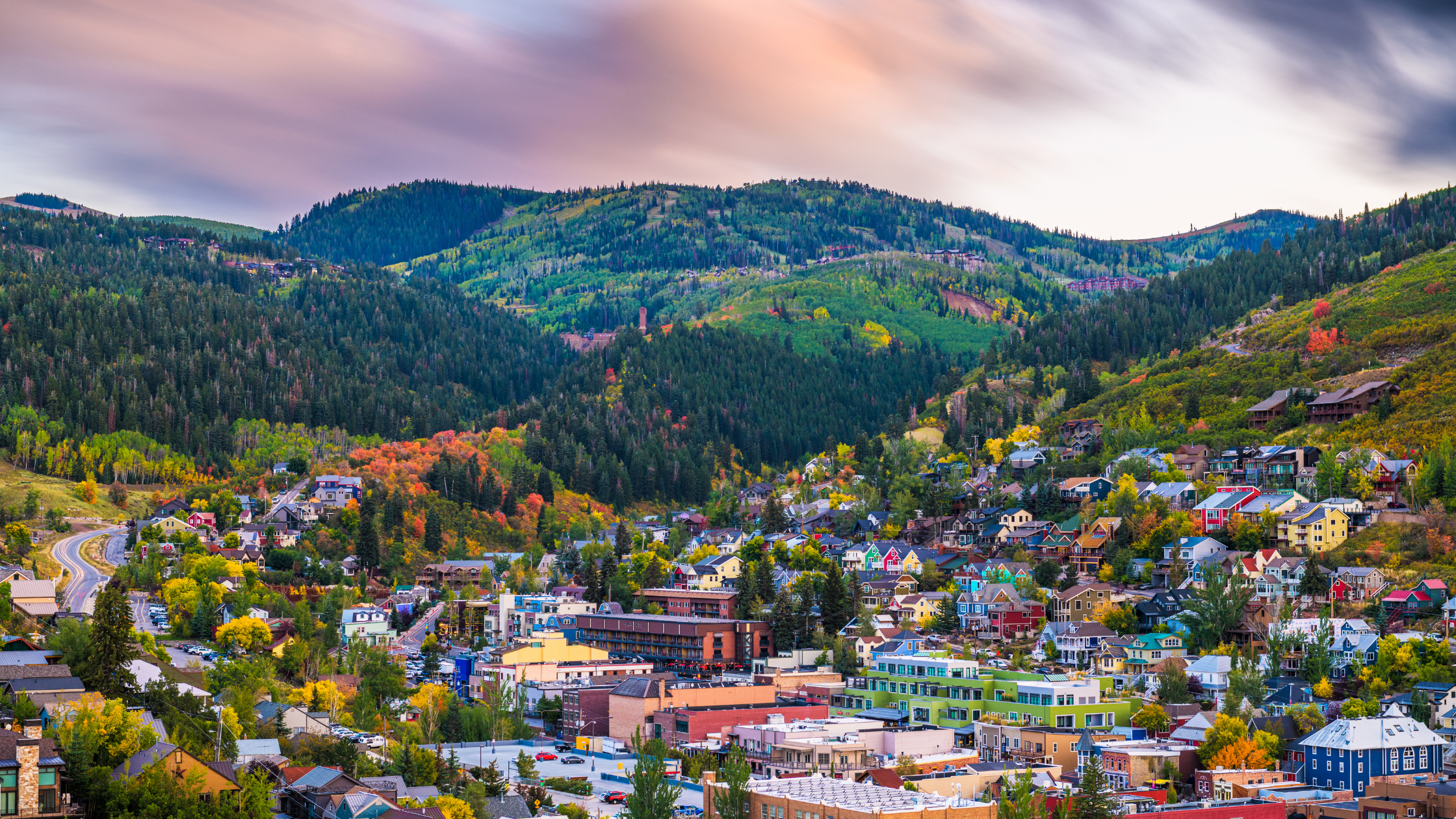
If you are considering buying Park City real estate and want to use the property during the coming ski season, waiting until snow is on the ground is not always the most strategic approach.
September through November can be one of the most useful periods for serious buyers. Properties are easier to evaluate before they are covered by snow, summer listings have accumulated enough market history to provide useful context, and buyers may still have time to close, furnish, insure, and prepare a property before winter.
That does not mean every seller becomes negotiable in October or that Park City homes suddenly become inexpensive after Labor Day. They do not.
The advantage of fall is less about finding a universal seasonal discount and more about having a different set of conditions in which to make a careful purchase.
That distinction is especially important in Park City, where the market can vary considerably between a ski-access condo in Empire Pass, an Old Town home, a Park Meadows residence, a Canyons Village property, and a home farther out in the Snyderville Basin.
Is Fall Really One of the Best Times to Buy Park City Real Estate?
For the right buyer, yes.
But the best time to buy Park City real estate depends on what you are purchasing and how you plan to use it.
Park City's market is highly segmented. A single-family home in Park Meadows does not necessarily follow the same dynamics as a resort condo near the slopes. Properties in Old Town, Deer Valley, Canyons Village, Jeremy Ranch, and the Jordanelle area also appeal to buyers with different priorities.
That is why buyers should not expect a certain percentage discount simply because it is October.
A well-positioned home in a sought-after location can attract attention in any month. A property that has been sitting since early summer, requires updating, carries substantial HOA obligations, or presents another complication may create a very different conversation.
Fall gives buyers an opportunity to evaluate those differences carefully.
For buyers who are still determining which part of the market suits them, the Ultimate Guide to Living in Park City, Utah can provide useful context before narrowing the search by neighborhood or property type.
Why Serious Buyers Should Pay Attention to September Through November
You Can Evaluate More of the Property Before Snow Covers It
One of fall's most practical advantages has nothing to do with price.
You can see more of the property.
That matters in a mountain market.
Before consistent snow cover arrives, buyers can more easily examine:
- Grading and drainage
- Driveways and retaining walls
- Decks and exterior stairs
- Rooflines
- Landscaping
- Surrounding trees
- Exterior drainage
- Neighboring properties
- Steep approaches
- Outdoor living areas
A house that appears straightforward during warmer weather may reveal important winter-management considerations once you begin thinking about where snow will accumulate, how a driveway will be cleared, and where melting snow will drain.
Fall is a particularly useful time to ask those questions because many of the relevant exterior features remain visible.
Listings Have Had Time to Develop a Market History
A listing that entered the market in June or July has a very different story by October.
By fall, buyers and their agents may be able to examine whether the seller has:
- Reduced the asking price
- Withdrawn and relisted the property
- Completed repairs or improvements
- Adjusted furnishings or inclusions
- Changed the preferred closing timeline
- Responded to market feedback
Days on market should never be interpreted in isolation, but listing history can help distinguish a property that simply needs a specialized buyer from one whose original pricing may not have aligned with the market.
That information becomes useful when structuring an offer.
Property Tours Can Be More Focused
Winter is an important time to experience Park City, particularly if ski access is central to your purchase.
It is also a busy time to evaluate real estate.
Fall provides another perspective. Buyers can spend time comparing streets, neighborhoods, driving routes, and properties without making every decision through the lens of a ski vacation.
September can be particularly useful because the mountains are still accessible for many warm-weather activities while buyers can also begin thinking seriously about winter use.
You Still Have Time to Prepare for Ski Season
For second-home buyers, closing is not the final step.
After closing, you may still need to coordinate:
- Furniture
- Internet and utilities
- Homeowners insurance
- Property management
- Snow removal
- Security systems
- Ski storage
- Routine maintenance
- Vehicle arrangements
A September or early October purchase can leave considerably more time to work through those details than a transaction completed during the holiday period.
If your objective is to be settled before regular winter use begins, work backward from your preferred occupancy date rather than simply waiting for snow.
Negotiating Conditions Become More Property-Specific
One of the weakest pieces of seasonal real estate advice is that buyers automatically gain more leverage in fall.
Sometimes they do. Sometimes they do not.
A seller who has carried an unused property through the summer and does not want another winter of ownership may have a reason to negotiate. Another seller may be perfectly comfortable holding the property.
The better questions are:
- How long has this specific property been available?
- Has the price changed?
- Is the property vacant?
- Is the seller planning to use it during ski season?
- Is it currently rented?
- Are furnishings included?
- Does the seller value a particular closing date?
Those questions produce a much stronger negotiating strategy than the calendar alone.
September vs. October vs. November: What Changes?
Each month provides a slightly different buying environment. Weather conditions vary from year to year, so these should be treated as general planning considerations rather than fixed rules.
| Month | What Buyers Gain | Primary Due-Diligence Focus | Best Fit |
|---|---|---|---|
| September | Good property visibility, remaining summer activity, and more time before winter | Exterior condition, landscaping, trails, resort orientation, and renovation feasibility | Buyers hoping to close and prepare before ski season |
| October | More listing history and a quieter transition period | Pricing history, winter access, HOA review, and snow management | Buyers prioritizing careful comparison and negotiation |
| November | A closer look at early-winter conditions when weather cooperates | Heating, winter access, snow removal, and occupancy timing | Buyers comfortable with a tighter pre-ski-season timeline |
Where Fall Property Tours Are Especially Useful
Different Park City locations reveal different things before winter. The right neighborhood also depends heavily on how frequently you expect to use the property, how important ski access is, and how much day-to-day convenience or maintenance you want.
Old Town
Old Town buyers often focus on walkability, Historic Main Street access, and proximity to Park City Mountain.
Fall is also the time to pay close attention to the less glamorous details.
Look at street grade, stairs, parking, driveway configuration, sun exposure, drainage, and neighboring properties. Historic homes can also involve more complex renovation considerations than newer residences.
Buyers considering this part of town can explore Old Town Park City real estate once they determine that walkability and in-town access are priorities.
Deer Valley and Empire Pass
Deer Valley buyers often place a premium on service, ski access, privacy, and ease of ownership.
Fall allows you to evaluate the physical property, building, views, parking, and neighborhood without winter conditions obscuring exterior features.
One caution is important, however. Do not assume you have verified ski-in/ski-out access simply because a listing describes the property that way.
True ski access varies between buildings and individual residences. Buyers for whom skiing is the deciding factor should review what ski-in ski-out actually means in Park City and, when necessary, return during winter to experience the route personally.
For buyers specifically interested in slopeside ownership, Empire Pass real estate is also worth comparing.
Canyons Village
Canyons Village can make sense for buyers who want a resort-oriented condo or residence with convenient access to Park City Mountain.
Fall is useful for understanding the relationship between the residence, village core, parking, lifts, transportation, and surrounding development without the intensity of the winter season.
It is also worth understanding the geography. Canyons Village is part of the broader Snyderville Basin area rather than a neighborhood within Park City municipal boundaries.
Buyers can compare current Canyons Village homes for sale after deciding whether resort-oriented ownership fits their plans.
Park Meadows
Park Meadows serves a somewhat different buyer.
The neighborhood has a stronger residential and full-time-living component, with single-family homes, larger lots in certain sections, and convenient access to in-town amenities.
Fall allows buyers to evaluate yards, outdoor areas, views, sun exposure, neighborhood streets, and the property's overall relationship to town before winter changes the landscape.
Browse Park Meadows real estate if having more residential space matters more than being directly slopeside.
Jeremy Ranch, Pinebrook, and Kimball Junction
These areas appeal to buyers who place a higher value on everyday convenience, Interstate 80 access, commuting, and practical year-round living.
They are generally considered part of the Snyderville Basin rather than Park City proper.
Fall tours here should pay particular attention to road orientation, traffic patterns, elevation, winter sun, driveway configuration, and the property's relationship to I-80 and Highway 224.
Buyers considering this side of the market may find the guide to living in Jeremy Ranch useful for a deeper comparison.
Jordanelle and Hideout
Jordanelle-area buying has become increasingly important as new construction and development around Deer Valley's expanded terrain continue to reshape the eastern side of the greater Park City market.
Do not treat the entire area as simply another Park City neighborhood.
Hideout is its own municipality, while other Jordanelle-area communities may fall under different jurisdictions.
For buyers considering these properties, fall is a useful time to understand real driving distances, construction activity, views, exposure, HOA obligations, and how the property relates to Deer Valley and the rest of Park City.
What Second-Home and Ski-Condo Buyers Should Investigate in Fall
For a condo or second home, the residence itself is only one part of the purchase.
Before writing an offer, buyers should understand the association.
At minimum, review:
- The HOA budget
- Reserve funding
- Recent HOA meeting minutes
- Planned capital projects
- Pending or recent special assessments
- Master insurance coverage
- Snow-removal responsibilities
- Rental restrictions
- Parking arrangements
- Ski storage
- Shuttle or transportation services
The Park City market includes everything from relatively simple residential associations to full-service resort buildings with shuttles, ski storage, concierge services, amenities, and multiple layers of fees.
That makes understanding Park City HOA fees by neighborhood particularly important before comparing properties solely by list price.
If rental income is part of your plan, confirm both local government requirements and HOA restrictions before relying on projected revenue.
Within Park City municipal boundaries, nightly rentals are regulated and require appropriate licensing where they are permitted. Different rules may apply in Snyderville Basin, Hideout, or other nearby jurisdictions.
Never assume that two properties with a Park City mailing address have identical rental rules.
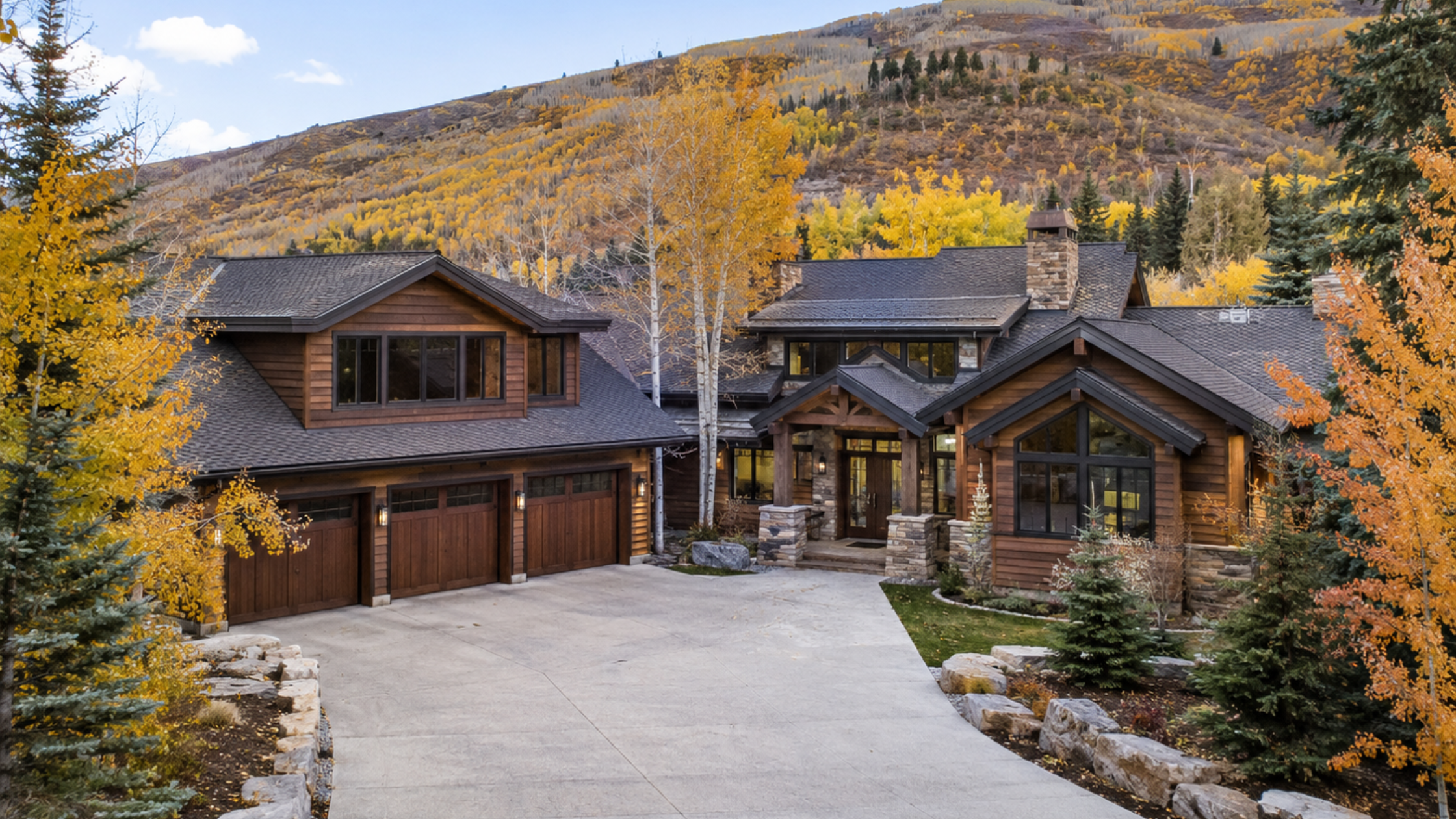
New Construction vs. Resale Before Winter
Fall also sharpens the difference between new construction and resale.
A completed resale property can potentially put you in possession before winter. You also have the advantage of evaluating a finished home and its immediate surroundings.
New construction may provide newer systems, modern layouts, current finishes, and fewer immediate renovation needs, but completion timing deserves careful scrutiny as the weather changes.
For a new property, ask about:
- Certificate of occupancy timing
- Access during construction
- Punch-list completion
- Landscaping that may remain unfinished
- Snow-management responsibility
- Builder warranty coverage
- Delayed amenities
- HOA turnover
- Road or resort infrastructure still under construction
A projected completion date and a fully usable winter residence are not always the same thing.
How to Approach a Fall Offer in Park City
Start with the micro-market, not the season.
Compare the property with relevant recent sales and current competition in the same segment. Then study the seller's situation.
A strong fall offer may use terms other than price to create value. Depending on the transaction, those could include a convenient closing date, treatment of furnishings, possession timing, inspection terms, or flexibility around an existing rental.
For furnished second homes, create a detailed inventory of what transfers with the property. Do not assume every sofa, piece of artwork, ski rack, television, or kitchen item visible during a showing is included.
If the property has been on the market for several months, determine why before concluding that the seller is desperate.
Sometimes the price is wrong.
Sometimes the property has a specific drawback.
Sometimes an expensive or highly specialized home simply needs a particular buyer.
A Fall Due-Diligence Checklist for Park City Buyers
Before committing to a Park City property heading into winter, investigate these items:
- Obtain an insurance quote before your contingency period expires.
- Review HOA financials, including budgets, reserves, meeting minutes, and planned assessments.
- Understand snow removal for roads, driveways, stairs, walkways, and roofs.
- Inspect drainage and grading while exterior surfaces remain visible.
- Evaluate heating systems, fireplaces, and winterization needs.
- Verify parking and winter vehicle access.
- Confirm property-management requirements if the home will sit vacant for extended periods.
- Confirm short-term rental rules if rental income is part of your strategy.
- Verify actual ski access rather than relying exclusively on marketing terminology.
- Clarify furnishings and equipment that will remain with the property.
- Review winter sun exposure and orientation.
- Understand the total cost of ownership, not simply the purchase price or mortgage.
For a deeper look at expenses that can accompany mountain ownership, review the hidden costs of owning property in Park City.
When Waiting Until Winter May Actually Be Better
Fall is not automatically superior for every buyer.
If the primary reason you are purchasing a property is genuine door-to-slope access, winter may be the better time for your final evaluation.
You can physically test the route.
You can experience the shuttle.
You can see how long it actually takes to reach the lift.
You can observe snow storage and driveway conditions.
You can understand how busy the building or neighborhood becomes during ski season.
The same applies to buyers whose decision depends primarily on the winter experience rather than the underlying property.
In that case, use fall to create your shortlist and winter to validate it.
Frequently Asked Questions About Buying Park City Real Estate in Fall
Is fall a good time to buy real estate in Park City?
Fall can be a useful time to buy because properties remain easier to inspect before consistent snow cover, summer listings have developed more market history, and buyers may still have time to close and prepare a second home before ski season. It does not guarantee lower prices, and conditions vary substantially by neighborhood and property type.
Are Park City homes cheaper in the fall?
Not necessarily. Park City does not experience a universal fall discount. Some sellers may become more flexible after a property has spent several months on the market, while desirable homes in limited-supply locations may continue to command strong prices.
Is September or October better for buying a Park City home?
September usually gives buyers more time before winter and better visibility of landscaping and exterior conditions. October can provide additional listing history and potentially clearer insight into a seller's position. The better month depends on the individual property.
Should I buy a Park City ski condo before winter?
Buying before winter can provide time to furnish the property, arrange insurance and property management, and prepare for ski season. Buyers should carefully review HOA finances, rental restrictions, ski storage, parking, shuttle access, and snow-management responsibilities.
Should I wait until winter to verify ski-in/ski-out access?
If ski access is one of the primary reasons for purchasing, experiencing the property during ski season can be valuable. Fall can help narrow your shortlist, while winter may provide the best opportunity to physically verify the route between the residence, ski run, and lift.
What should I inspect in a Park City home before winter?
Pay particular attention to drainage, grading, rooflines, exterior stairs, decks, driveways, heating systems, snow-storage areas, retaining walls, and winter access. Several of these features can be easier to evaluate before snow covers the property.
Can I use a Park City property as a short-term rental?
It depends on the property's jurisdiction, zoning, and HOA rules. Park City municipal properties are subject to city regulations, while Snyderville Basin, Hideout, and other nearby areas may follow different requirements. Verify the rules for the exact property before relying on rental income as part of your purchase strategy.
Is Fall the Right Time for You to Buy in Park City?
September through November deserves more attention from Park City buyers because it provides something winter cannot always provide: time and visibility.
You can evaluate exterior conditions, study summer listing history, compare neighborhoods carefully, and potentially complete the logistical work required to use a second home during the coming winter.
But fall itself does not create a good purchase.
The property, price, ownership structure, location, and terms still have to make sense.
If you are hoping to own in Park City before ski season, Tom White can help you compare current properties based on how you will actually use them, from Old Town and Deer Valley to Park Meadows, Canyons Village, and communities farther into the Snyderville Basin.
Rather than beginning with every listing on the market, start with your priorities: how often you will be here, how important ski access is, whether you prefer a condo or single-family home, how much maintenance you want to manage, and whether rental flexibility matters.
From there, the fall market becomes much easier to navigate.
Planning a Park City purchase before ski season?
Share the neighborhoods, property type, price range, and level of ski access you are considering with Tom White. He can help you compare the current options and build a focused shortlist around how you intend to use the property.